You may be interested in…


All Laguiole folding knives
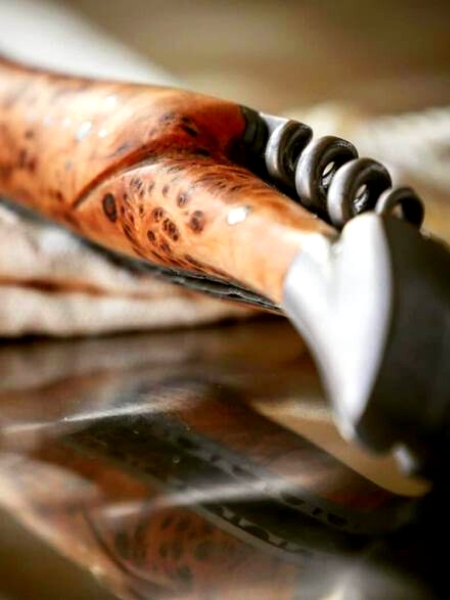
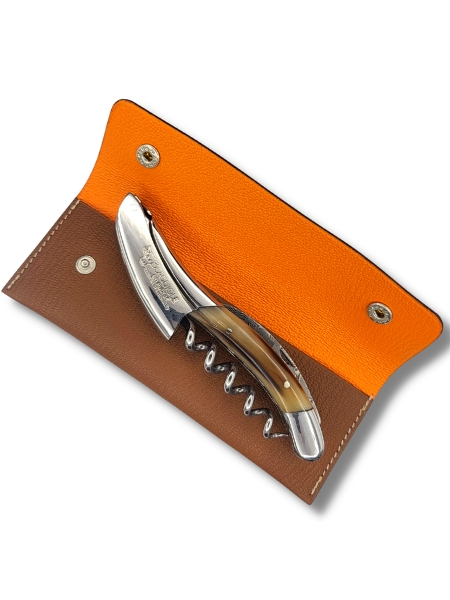
Laguiole knives with corkscrew
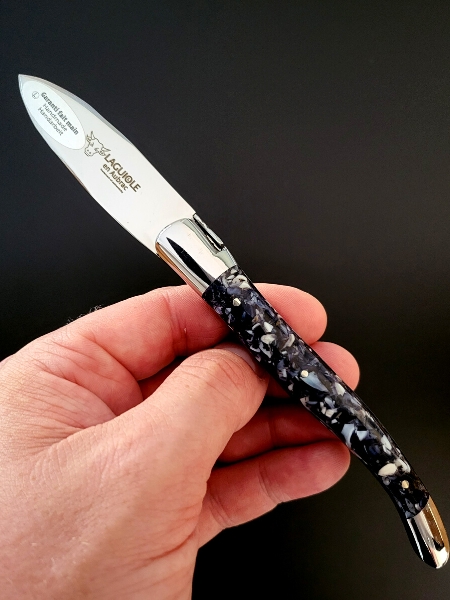
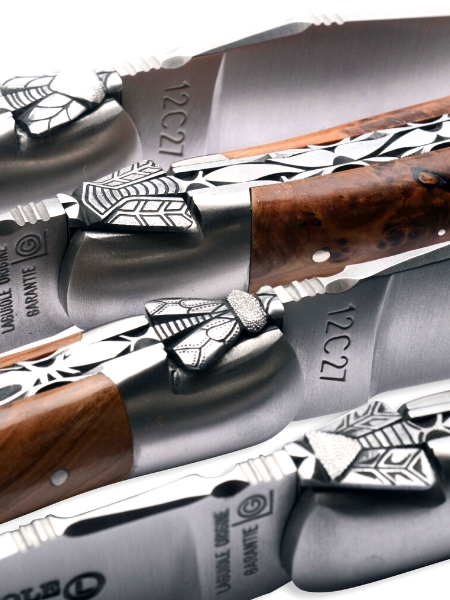
Classic Laguiole knives are handmade in France by Laguiole en Aubrac, and most of them keep the traditional Laguiole outline. Close one and all you hold is a slim, gently curving handle, the blade folded away inside. It’s the kind of gentleman’s knife that looks right on an office desk or a picnic blanket, and you can choose a single-blade model or one that also pulls corks.
The handle is what makes a gentleman’s pocket knife yours. Cattle bone and deer antler have the look you may remember from your grandfather’s pocketknife, while polished turquoise adds a flash of Southwest blue. Plenty of natural woods round out the choice. If you choose classic pocket knives by the color and feel of the handle in your palm, this is the collection to start with.
•Handmade by Laguiole en Aubrac in France•Laguiole en Aubrac’s name on each blade•Satin or polished, to suit each handle•


Classic Laguiole Knives
Laguiole Knife Checkerboard Marquetry Ebony & Red Heart Wood Handle


No custom loader image set.
Cattle bone, the old-school pocketknife handle, is off-white and smooth, and on these knives it comes polished to a bright shine. Deer antler is real bone that deer grow and shed, with tones ranging from cream to brown, polished as well. Turquoise is a stone, sky blue to blue-green and often webbed with darker matrix, and it gets a high shine. Prefer wood in your hand? The range offers many species, a lot of them satin-finished so the grain stays soft under your thumb. No two natural handles match exactly, so yours will have its own color and markings.

Video · 0:37
Watch the cattle bone pocket knife
A close look at the polished cattle bone handle of this classic Laguiole.
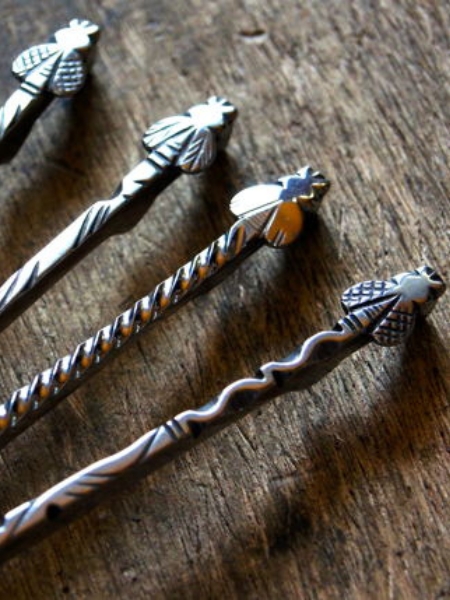
Most of these knives have the outline of a traditional French knife: a slender, slightly curved handle and a blade that tucks away inside it. Some models stop there, while others add a corkscrew that folds into the same handle, so the bottle of red at dinner is covered too. The Crocus models have a rounder, fuller handle, for anyone who likes more shape in the hand, and on the twisted models the handle is shaped as a spiral, cut from a single solid block. To see what defines the shape in more detail, read Classic Laguiole pocket knife.
On a classic folding knife from Laguiole en Aubrac, the finish is chosen to suit the handle material. A good share of the woods carry a satin finish, which keeps them soft-looking and natural. Polish goes on bone, antler, horn and stone, so they catch the light every time you take the knife out of your pocket. Neither is better. It's a matter of taste: satin reads quiet and outdoorsy, polished leans toward a dressier look. If you're torn between two handles, compare their finishes first and the decision usually gets easier. For a side-by-side look at more materials, see Knife Handle Materials.
It's a slim, good-looking folding knife, compact enough for a dress-pants pocket and discreet enough to use at the office without raising eyebrows. It usually has a natural handle and a clean, understated shape. A classic Laguiole fits that description well: it's handmade in France by Laguiole en Aubrac, with a slender curved handle in materials such as bone, antler, stone or wood.
It depends on the look and feel you want. Wood feels warm to hold, bone and antler give an old-school look, and a stone such as turquoise brings color and shine. On these Laguiole en Aubrac knives, each material gets the finish that suits it, satin or polished, so the best handle is simply the one you'll enjoy picking up every day.
Turquoise forms where water seeps through copper-bearing rock in dry regions. It has been mined in Iran, China and the American Southwest, Arizona and Nevada among them, and the copper and iron it contains give it shades from sky blue to green. On a classic Laguiole, turquoise is used as a polished stone handle, a bold splash of color on a traditional French shape.
Care instructions arrive along with your knife. Hand-wash it, give it a quick dry and never load it in a dishwasher, no matter which handle you pick.


• Made in France, in the historic area of origin.
• Engraving and shipping carried out on the day of the order.
• Deliveries to France, European Union, and internationally.
• Delivery within 48h in EU. 4 days to USA with DHL Express.
• Provided with: certificate of authenticity, 14 page manual of genuine Laguiole knives, protective case.
FREE LASER ENGRAVING
Laser engraving on the blade is an innovative technique that combines art and technology to enhance and personalize a knife. Choose from 6 fonts and 12 symbols.
Laguiole FOLDING KNIVES
Discover our selection of Laguiole en Aubrac folding knives, a staple of French artisanal cutlery. These high-quality pocket knives, combining elegance and practicality, are the result of traditional craftsmanship and unique expertise in knife making.
All Laguiole Folding Knives
Our models without corkscrew
Stainless Steel or Brass Bolsters
Shiny or Mat finish
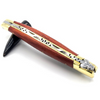
With or Without Corkscrew
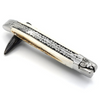
With or Without Corkscrew
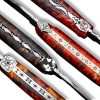
This exclusive collection from Laguiole en Aubrac showcases exquisite pocket knives that epitomize the art of fine cutlery.
French cutlery tradition elevated by Damascus steel and masterful craftsmanship
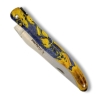
Exclusive Laguiole Knives: One-of-a-Kind Masterpieces
Where French Heritage Meets Everyday Utility
Sheaths, Box & Belt Pouches
LAGUIOLE CORKSCREWS
Discover our range of Laguiole en Aubrac sommelier corkscrews, essential accessories for wine lovers and oenology professionals. Each corkscrew is crafted with the same care and quality standards as the famous Laguiole en Aubrac knives.
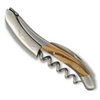
Marquetry - Wood - Horn or Bone
Leather Sheaths
FREE LASER ENGRAVING
Choosing a personalized Laguiole en Aubrac sommelier corkscrew means adding a touch of originality to an object already known for its quality and aesthetics!

LAGUIOLE CUTLERY SETS
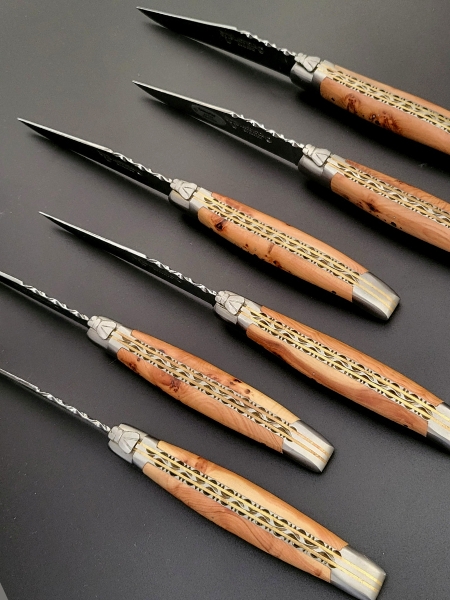
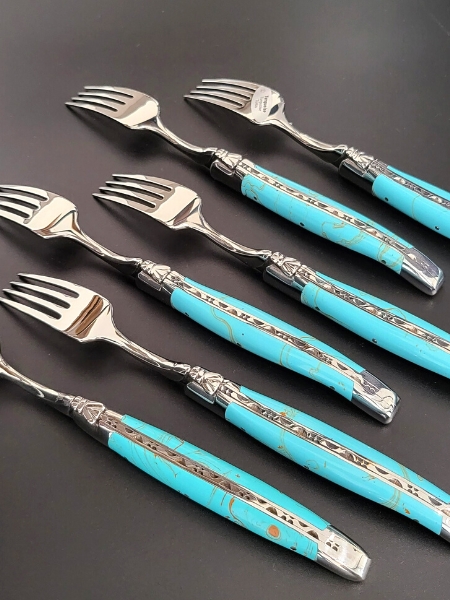
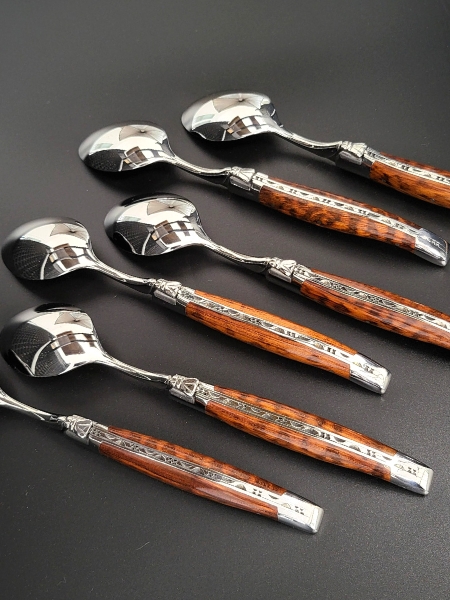
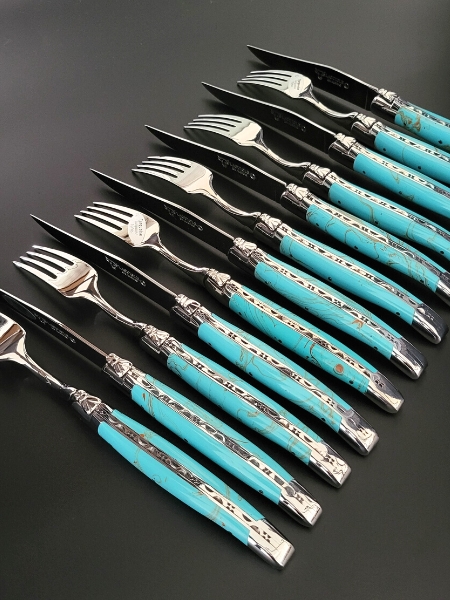
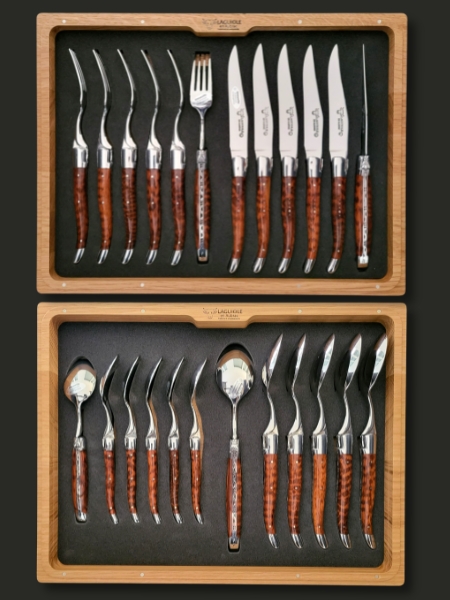
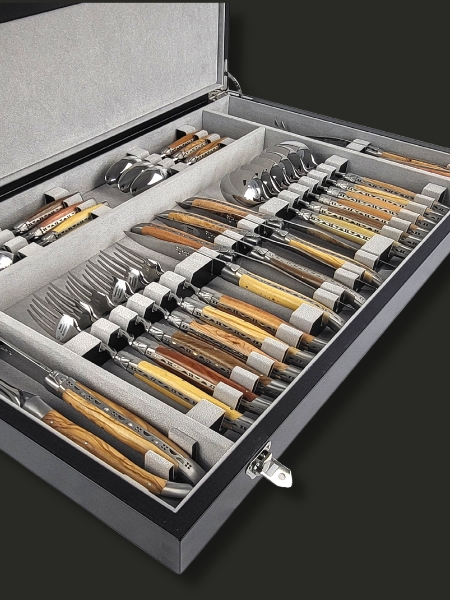
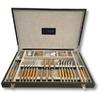
Our selection of Laguiole en Aubrac cutlery offers a range of choices from classic to modern models, featuring various colors and original handle materials. Available in sets of 2, 4, or 6, with or without forks, as well as soup and dessert spoons. Not to mention the famous table sets.
Various handle materials
Various handle materials
Various handle materials
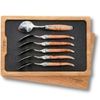
Various handle materials
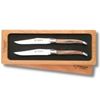
Various handle materials
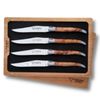
Various handle materials
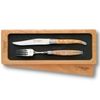
Various handle materials
Various handle materials
Various handle materials
Various handle materials
Various handle materials
Various handle materials
Additional Knives and Sets
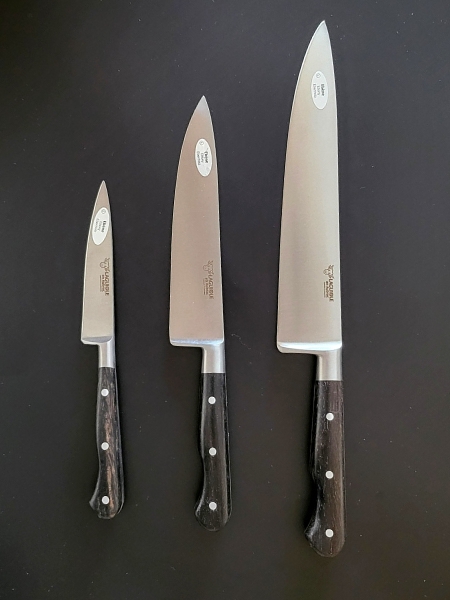
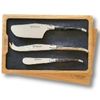
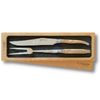
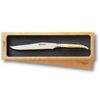
Discover the complementary cutlery range, designed to enhance your meals and offer you an unparalleled culinary experience. This refined and elegant collection includes cheese knives, oyster knives, carving sets, and many other essential accessories for a carefully set table.
Individuals or in sets x3
Various handle materials
Various handle materials

Various handle materials
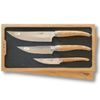
Individuals or in sets x3
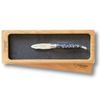
Recycled seashell handles
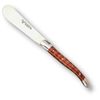
Various handle materials
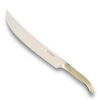
Various handle materials