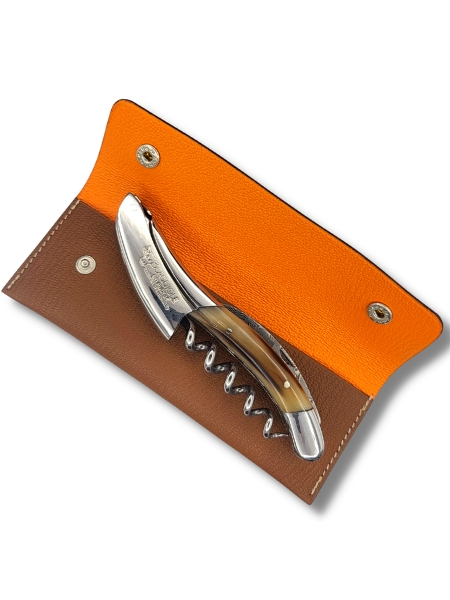
 Brown Sheath for Laguiole Pocket Knife


All Laguiole folding knives
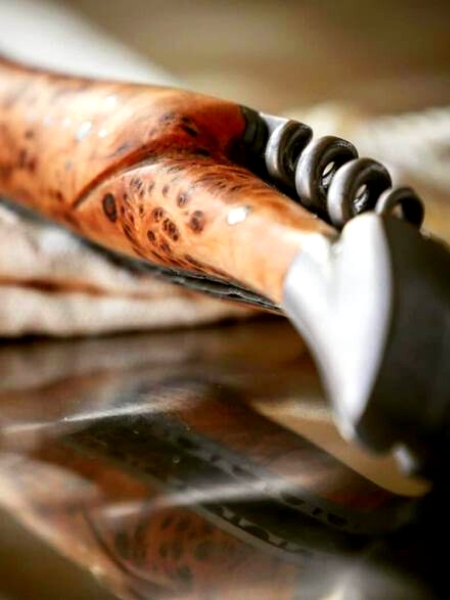
Laguiole knives with corkscrew
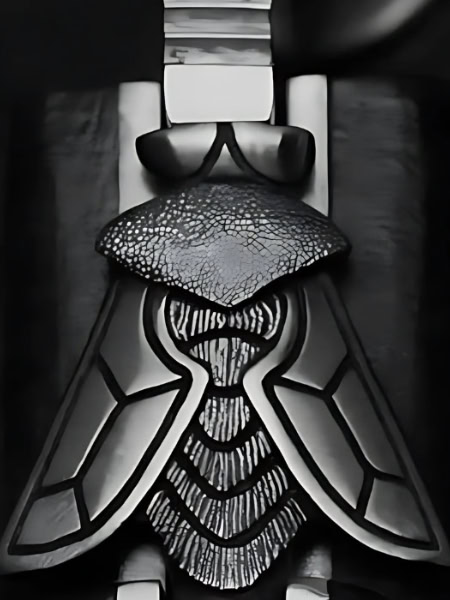
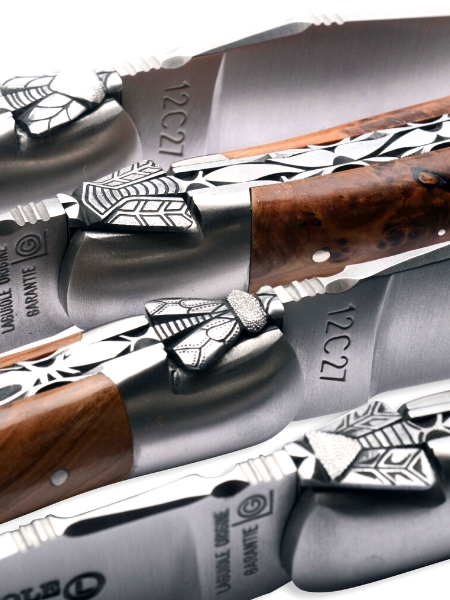
These Laguiole Damascus pocket knives are handmade in France by Laguiole en Aubrac, each one pairing a rippled Damascus blade with a handle picked to set it off. Open a Damascus pocket knife and you’ll see fine light and dark lines rippling across the blade, seeming to shift as you tilt it. No two blades show quite the same pattern, so the one you’re holding has no twin.
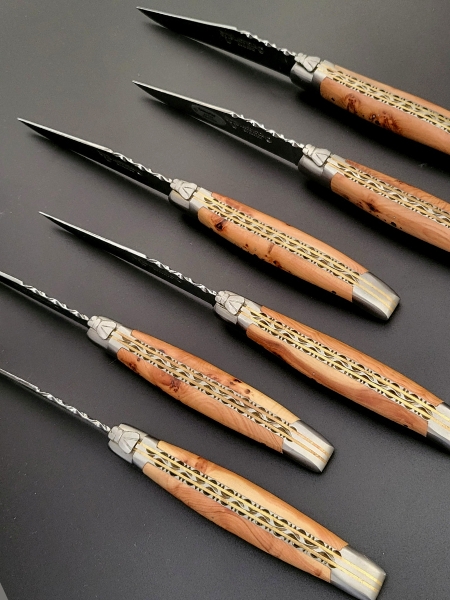
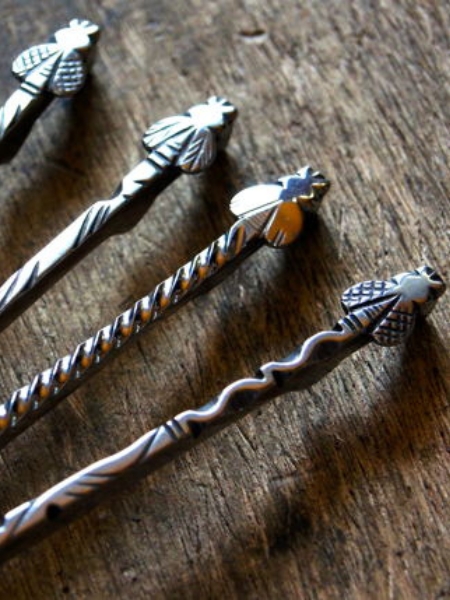
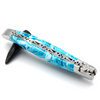
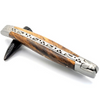
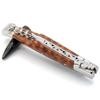
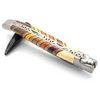
Every Damascus folding knife here comes in one of two styles: hand-chiseled double plates, or plates finished with hand-filed patterns. Then comes the handle, from blue or tiger-striped brown mammoth molar to satin olive wood or glossy snakewood. Any of these pairings gives you a Damascus steel pocket knife you’ll want to open just to look at. For more on the pattern itself, read Damascus Steel Blades.
•No two blade patterns alike•Handmade in France by Laguiole en Aubrac•Chiseled double or hand-filed plates•

Laguiole Damascus Pocket Knives
Laguiole Pocket Knife in Snakewood – Hand-Engraved Liners & Balbach Damascus Blade

Laguiole Damascus Pocket Knives
Laguiole Pocket Knife in Ebony – Hand-Engraved Liners & Balbach Damascus Blade

Laguiole Damascus Pocket Knives
Laguiole Pocket Knife in Thuya – Hand-Engraved Liners & Balbach Damascus Blade

Laguiole Damascus Pocket Knives
Laguiole Pocket Knife in Ram Horn – Hand-Engraved Liners & Balbach Damascus Blade

Laguiole Damascus Pocket Knives
Laguiole Pocket Knife in Zebu Horn Tip – Hand-Engraved Liners & Balbach Damascus Blade

Laguiole Damascus Pocket Knives
Laguiole Pocket Knife – Damascus Balbach Blade & Double Liners – Olivewood

Laguiole Damascus Pocket Knives
Laguiole Pocket Knife – Damascus Balbach Blade & Double Liners – Pistachio wood

Laguiole Damascus Pocket Knives
Laguiole Pocket Knife – Damascus Balbach Blade & Double Liners – Snakewood

Laguiole Damascus Pocket Knives
Laguiole Pocket Knife – Damascus Balbach Blade & Double Liners – Vine Stock Wood

Laguiole Damascus Pocket Knives
Laguiole Pocket Knife – Damascus Balbach Blade & Double Liners – Buffalo Horn

Laguiole Damascus Pocket Knives
Laguiole Pocket Knife – Damascus Balbach Blade & Double Liners – Ram Horn

Laguiole Damascus Pocket Knives
Laguiole Pocket Knife – Damascus Balbach Blade & Double Liners – Deer Horn

Laguiole Damascus Pocket Knives
Laguiole Pocket Knife – Damascus Balbach Blade & Double Liners – Blue Mammoth Molar

Laguiole Damascus Pocket Knives
Laguiole Pocket Knife – Damascus Balbach Blade & Double Liners – Brown Mammoth Molar

Laguiole Damascus Pocket Knives
Laguiole Pocket Knife in Olivewood – Hand-Engraved Liners & Balbach Damascus Blade

Laguiole Damascus Pocket Knives
Laguiole Pocket Knife – Damascus Balbach Blade & Double Liners – Mammoth Ivory
No custom loader image set.
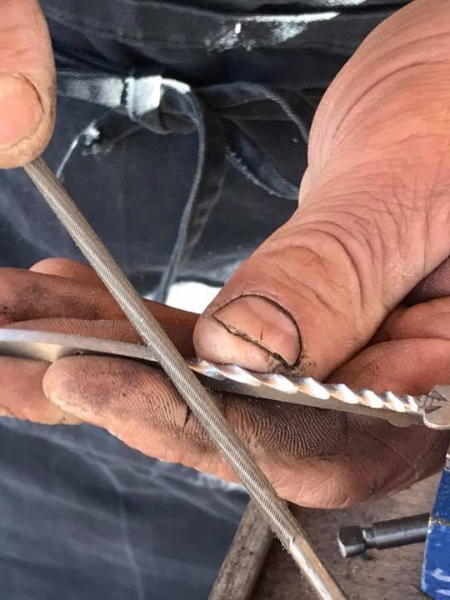
Both styles have a Damascus blade, so your choice comes down to what frames it. Laguiole en Aubrac counts hand-chiseled double plates as its most elaborate construction, a style for anyone with an eye for fine detail. Filework plates are a little quieter, so the eye goes straight to the blade and the handle. Either way, the work on the plates of these Laguiole Damascus knives is done by hand. To compare double plates with other models, read Laguiole Double-Plates Knives.

Video · 0:37
Watch the olive wood Damascus knife
A close look at the Damascus blade and chiseled double plates of an olive wood Laguiole pocket knife.
Mammoth molar comes from a fossil tooth, and here it's offered in two satin-finished shades: brown with tiger stripes, or blue. With the brown, the handle's stripes play off the ripples of the blade. With the blue, the pattern stands out in cool contrast. Olive wood also has a satin finish, with a warm honey color and dark veins that sit well beside the lines of the Damascus. Snakewood gets a glossy polish, and its dark, snakeskin-like markings give you pattern on the handle as well as on the blade. Wood varies from piece to piece, so with olive wood or snakewood, your Damascus steel folding knife pairs a one-of-a-kind blade with a handle all its own.
For all their looks, these are still pocket knives, made to be carried and used. Slice fruit at a picnic, cut a length of string, open the mail, then fold the blade away and slip it back into your pocket. Keep one of these Damascus folding knives on you and you'll see the pattern again every time you open the blade. After use, hand wash it and towel it dry at once, then it's set for the next outing.
Yes, if you want a pocket knife that's as much a pleasure to look at as it is to use. The rippled pattern makes every blade unlike any other, and Laguiole en Aubrac sets it off with chiseled double plates or filework and a handle in mammoth molar, olive wood or snakewood.
The best one is whichever you'll enjoy opening every day. Go for double plates if you want the most elaborate construction, or filework for a quieter look, then choose a handle: mammoth molar for something out of the ordinary, olive wood for warmth, snakewood for shine. Each one comes from Laguiole en Aubrac, handmade in France.
Hand wash it after each use and towel it off, blade and handle, before putting it away. Skip the dishwasher, which is hard on natural handles like olive wood and snakewood. The whole routine takes no more than a minute.
Your knife ships with care instructions. Hand wash it, towel it dry right after, and don't ever run it through a dishwasher.


• Made in France, in the historic area of origin.
• Engraving and shipping carried out on the day of the order.
• Deliveries to France, European Union, and internationally.
• Delivery within 48h in EU. 4 days to USA with DHL Express.
• Provided with: certificate of authenticity, 14 page manual of genuine Laguiole knives, protective case.
FREE LASER ENGRAVING
Laser engraving on the blade is an innovative technique that combines art and technology to enhance and personalize a knife. Choose from 6 fonts and 12 symbols.
Laguiole FOLDING KNIVES
Discover our selection of Laguiole en Aubrac folding knives, a staple of French artisanal cutlery. These high-quality pocket knives, combining elegance and practicality, are the result of traditional craftsmanship and unique expertise in knife making.
All Laguiole Folding Knives
Our models without corkscrew
Stainless Steel or Brass Bolsters
Shiny or Mat finish
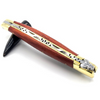
With or Without Corkscrew
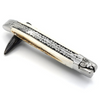
With or Without Corkscrew
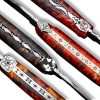
This exclusive collection from Laguiole en Aubrac showcases exquisite pocket knives that epitomize the art of fine cutlery.
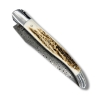
French cutlery tradition elevated by Damascus steel and masterful craftsmanship
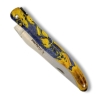
Exclusive Laguiole Knives: One-of-a-Kind Masterpieces
Where French Heritage Meets Everyday Utility
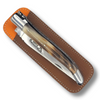
Sheaths, Box & Belt Pouches
LAGUIOLE CORKSCREWS
Discover our range of Laguiole en Aubrac sommelier corkscrews, essential accessories for wine lovers and oenology professionals. Each corkscrew is crafted with the same care and quality standards as the famous Laguiole en Aubrac knives.
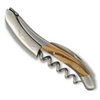
Marquetry - Wood - Horn or Bone
Leather Sheaths
FREE LASER ENGRAVING
Choosing a personalized Laguiole en Aubrac sommelier corkscrew means adding a touch of originality to an object already known for its quality and aesthetics!

LAGUIOLE CUTLERY SETS
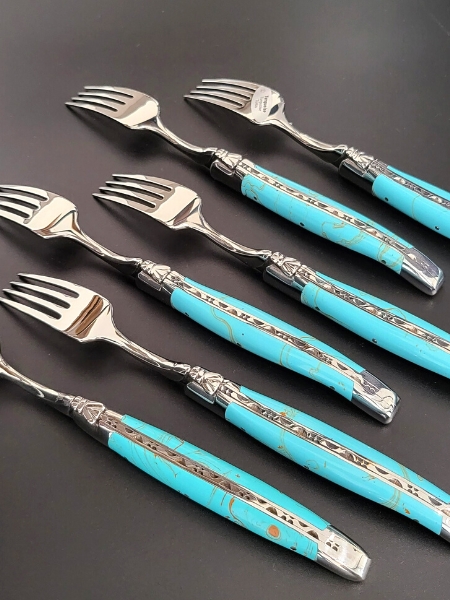
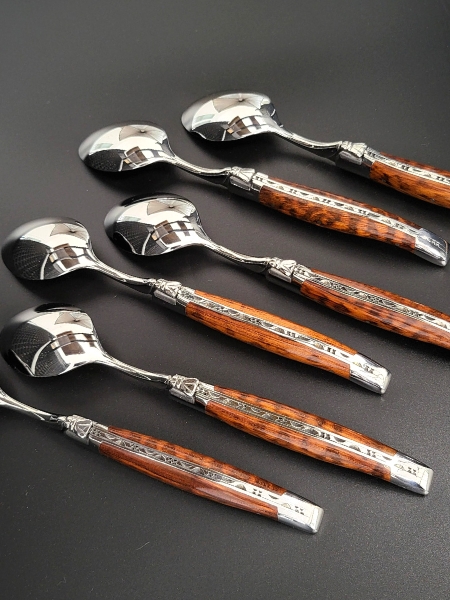
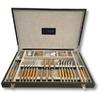
Our selection of Laguiole en Aubrac cutlery offers a range of choices from classic to modern models, featuring various colors and original handle materials. Available in sets of 2, 4, or 6, with or without forks, as well as soup and dessert spoons. Not to mention the famous table sets.
Various handle materials
Various handle materials
Various handle materials
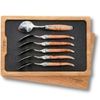
Various handle materials
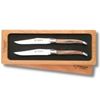
Various handle materials
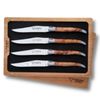
Various handle materials
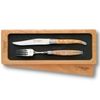
Various handle materials
Various handle materials
Various handle materials
Various handle materials
Various handle materials
Various handle materials
Additional Knives and Sets
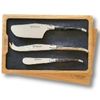
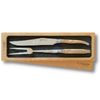
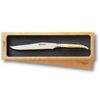
Discover the complementary cutlery range, designed to enhance your meals and offer you an unparalleled culinary experience. This refined and elegant collection includes cheese knives, oyster knives, carving sets, and many other essential accessories for a carefully set table.
Individuals or in sets x3
Various handle materials
Various handle materials

Various handle materials
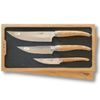
Individuals or in sets x3
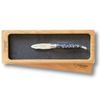
Recycled seashell handles
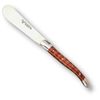
Various handle materials
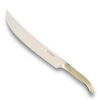
Various handle materials