
All Laguiole folding knives
Laguiole knives with corkscrew
479€
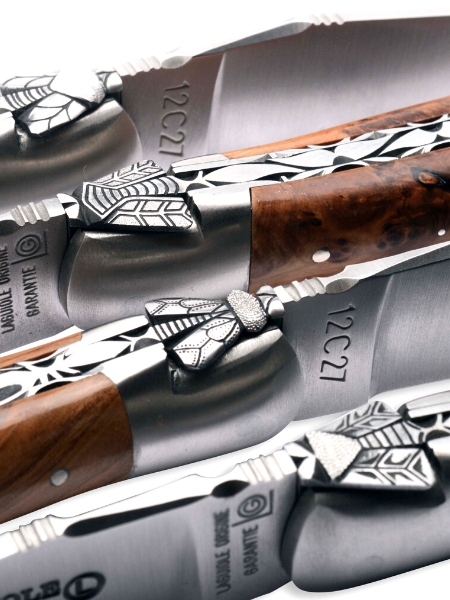
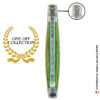
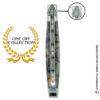
The Albizia Field’s Edge Laguiole is a unique piece, entirely hand-crafted by the most accomplished cutlers at the Laguiole en Aubrac workshop. It stands out thanks to its high front bolster, which structures the front of the knife and frames the Albizia wood. The wood itself shows a play of light and dark browns, crossed by pronounced, lively grain.
This rich pattern creates a strong visual balance between both sides of the handle and gives the knife a warm, natural presence in the hand.
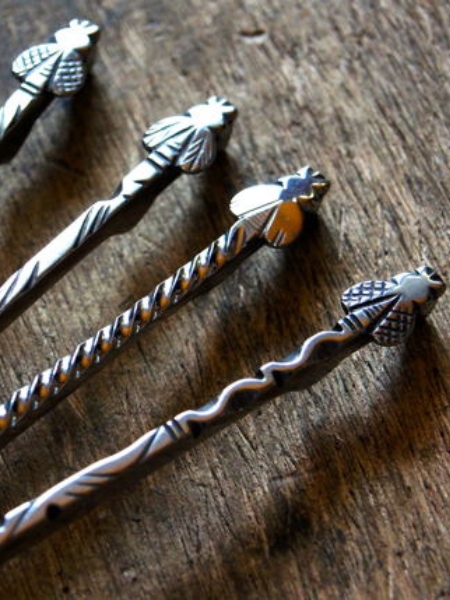
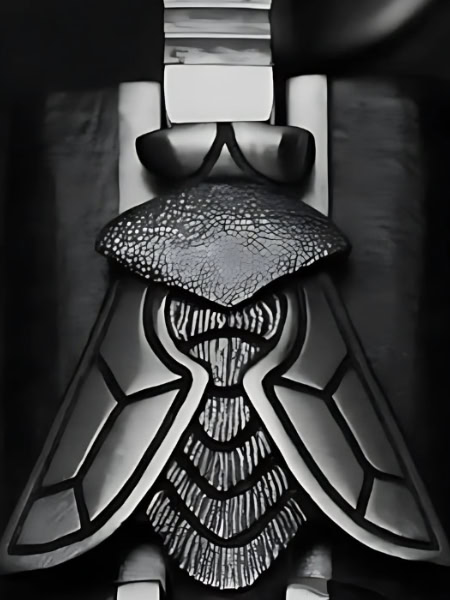
The bee has been kept intentionally simple, with engraved lines that follow and underline her shape without overloading it. This quiet treatment reinforces the elegance of the silhouette and leaves room for the rest of the decoration to speak.
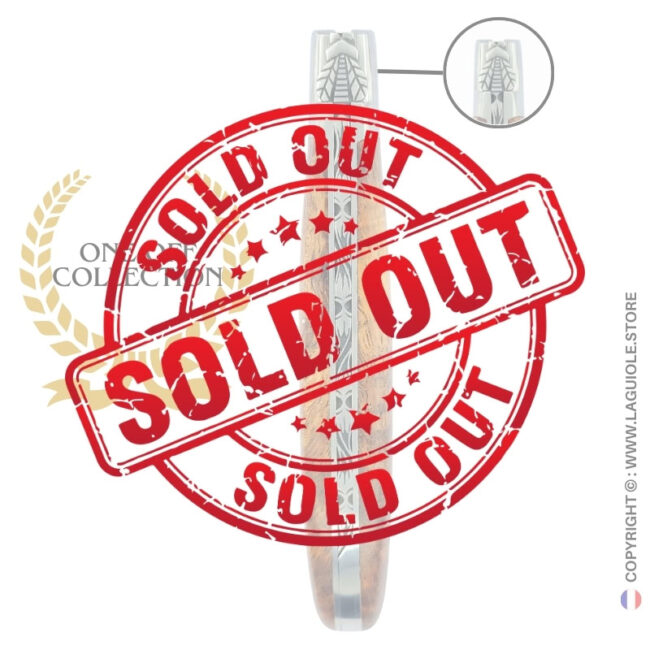
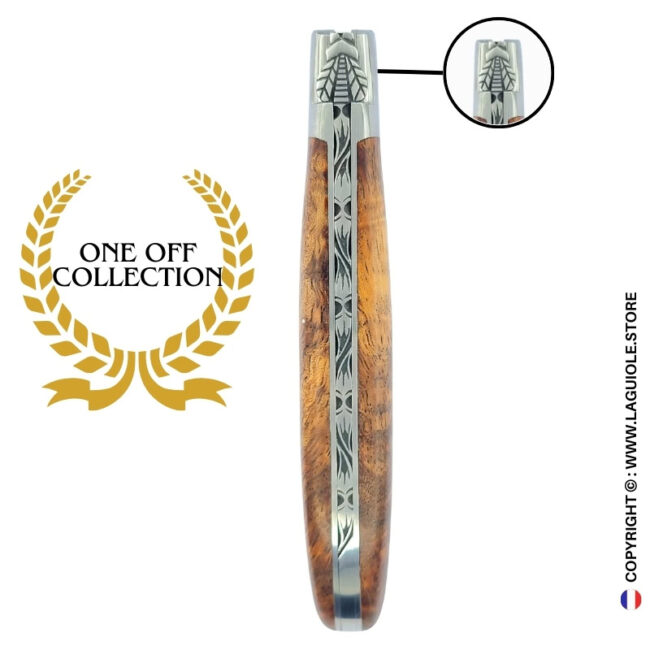
The backspring is entirely carved with a sequence of leaf motifs running along its whole length. These regularly repeated leaves suggest a plant stem where the bee might pause for a moment’s rest. Clear, readable and carefully controlled, this vegetal design gives the spine of the knife a strong identity while remaining perfectly in tune with the understated bee and the noble Albizia wood.
Albizia Field’s Edge is made for those who love traditional Laguiole knives rooted in landscape and gesture, where wood, bolster, bee and spring all share the same language of harmony. It evokes the edge of fields, the gentle transition between grass and trees, and the patient hand of the cutler carving leaf after leaf into the steel.
This unique piece has been sold


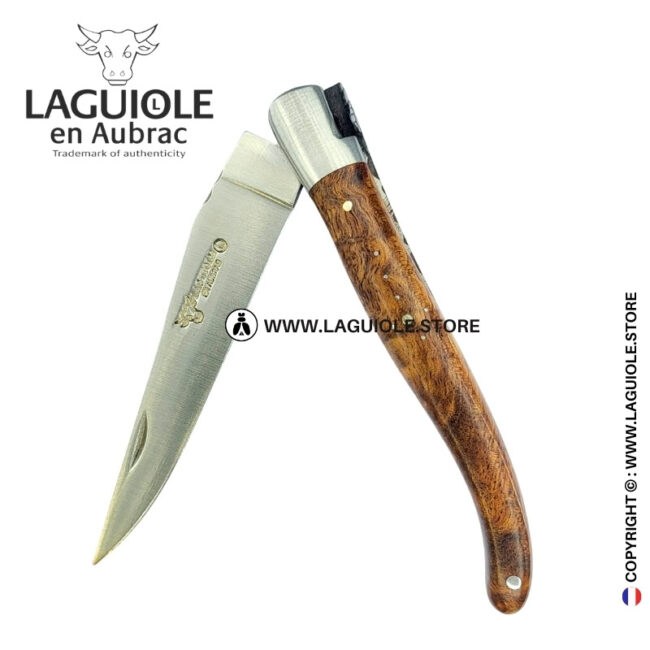
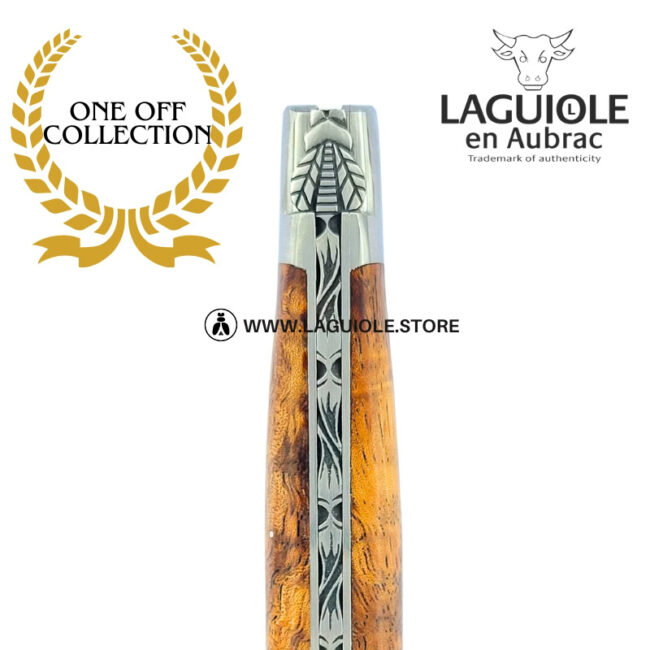
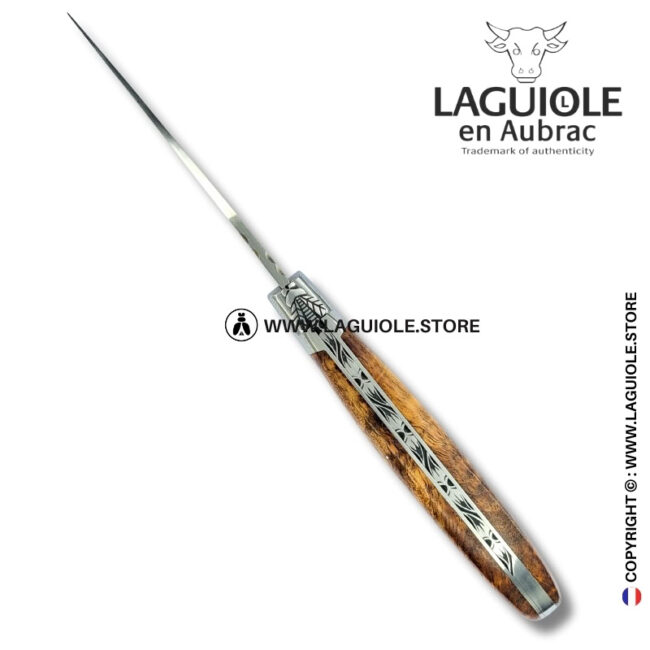
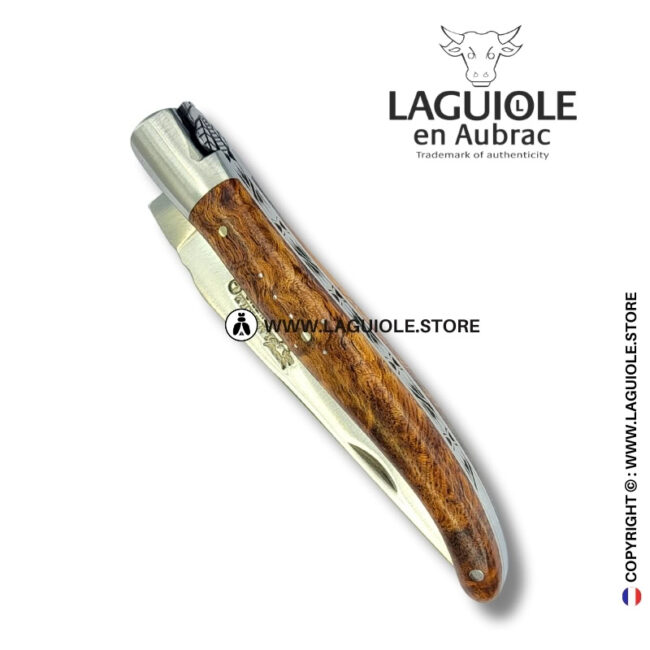
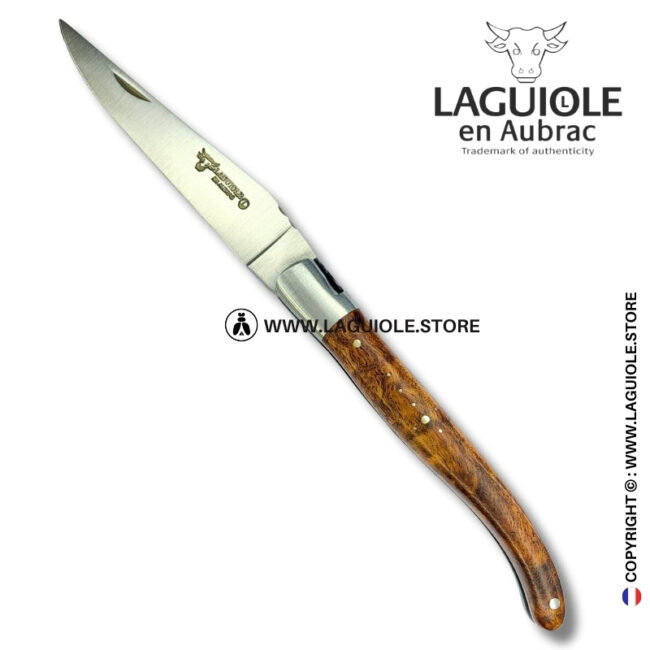
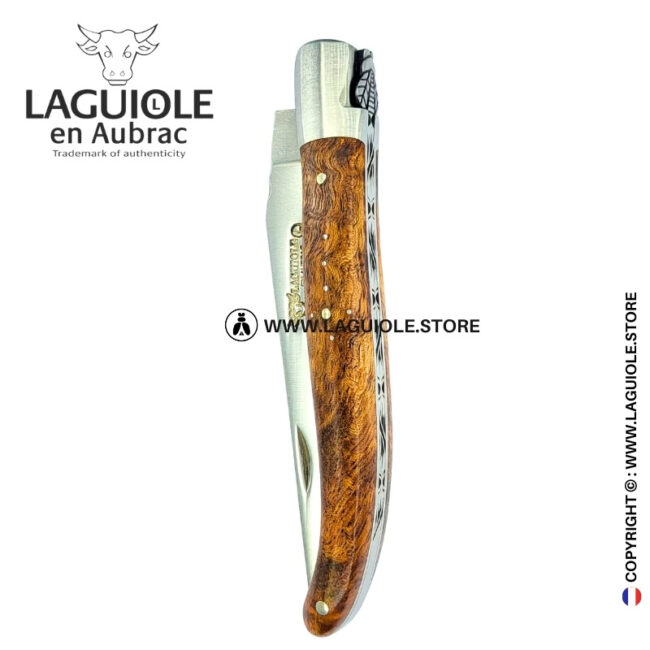
“Albizia Field’s Edge” feels like a knife left where the meadow meets the first line of trees. Its handle in Albizia wood, with shades ranging from light to deeper brown, is richly grained: fine veins stretch, cross and answer each other on both sides, like rings and bark patterns drawn into the wood. The single high bolster at the front adds a bright touch, framing the blade and showcasing the living, well-balanced character of the handle.
At the top, the bee is rendered with deliberate simplicity – just a few precise lines are enough to follow its curves without weighing them down. Along the spine, the backspring is carved with a series of leaves running its full length, like a leafy stem where the bee has paused for a moment of rest.
“Albizia Field’s Edge” is a calm, natural Laguiole – created for those who love knives where the decoration supports the wood without ever stealing the spotlight.

The Albizia Field’s Edge feels like a knife that has been set down where the meadow ends and the first trees begin. The tall, pale front bolster catches the light like a stone at the edge of a path, and from there the eye slides naturally into the Albizia wood. Light brown, deeper brown, strong veins running through it – the handle looks as if it were built from layers, growth rings and half-remembered seasons. Each side of the knife tells a slightly different version of the same story, held in perfect balance.
The bee is deliberately understated, refusing any sense of showiness. A few clean lines are enough to bring out her curves, like a drawing made with a single, confident stroke. She seems to rest there quietly, almost peaceful, as if caught between two flights – that brief moment when the buzzing stops and the air falls silent.
Beneath her, the backspring unfolds a succession of carved leaves from base to tip. It feels like a slender stem covered in foliage, the kind a bee might choose for a short pause before returning to the flowers. Each leaf catches the light a little differently, yet all of them follow the same flowing motion.
Albizia Field’s Edge is a knife that speaks of pauses and in-between times – neither fully at work nor entirely at rest, but right on that calm border where each gesture slows, softens and becomes more deliberate.

Albizia is a rare, refined exotic wood, appreciated for its exceptional lightness and finely drawn, subtle grain. Native to tropical regions, it appeals to master knifemakers with its silky texture and naturally elegant look.
Its tones range from golden beige to warmer browns, often marked by darker streaks that underline its organic character. Light in the hand and smooth to the touch, Albizia offers a comfortable, well-balanced grip – ideal for pocket knives that combine everyday function with quiet distinction.
Easy to shape yet durable, this wood allows for handles that are truly unique, with each piece revealing its own nuances and patterns. Its visual warmth and finesse make Albizia a standout choice for anyone seeking harmony between natural material and meticulous artisanal craftsmanship.

Leather Sheaths & Sharpener


Leather Sheaths & Sharpener

Leather Sheaths & Sharpener


Leather Sheaths & Sharpener

Leather Sheaths & Sharpener

Leather Sheaths & Sharpener


• Made in France, in the historic area of origin.
• Engraving and shipping carried out on the day of the order.
• Deliveries to France, European Union, and internationally.
• Delivery within 48h in EU. 4 days to USA with DHL Express.
• Provided with: certificate of authenticity, 14 page manual of genuine Laguiole knives, protective case.
FREE LASER ENGRAVING
Laser engraving on the blade is an innovative technique that combines art and technology to enhance and personalize a knife. Choose from 6 fonts and 12 symbols.

Laguiole FOLDING KNIVES
Discover our selection of Laguiole en Aubrac folding knives, a staple of French artisanal cutlery. These high-quality pocket knives, combining elegance and practicality, are the result of traditional craftsmanship and unique expertise in knife making.
All Laguiole Folding Knives
Our models without corkscrew
Stainless Steel or Brass Bolsters
Shiny or Mat finish
With or Without Corkscrew
With or Without Corkscrew
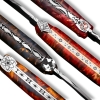
This exclusive collection from Laguiole en Aubrac showcases exquisite pocket knives that epitomize the art of fine cutlery.
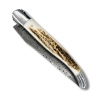
French cutlery tradition elevated by Damascus steel and masterful craftsmanship
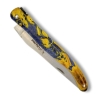
Exclusive Laguiole Knives: One-of-a-Kind Masterpieces
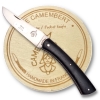
Where French Heritage Meets Everyday Utility
Sheaths, Box & Belt Pouches
LAGUIOLE CORKSCREWS
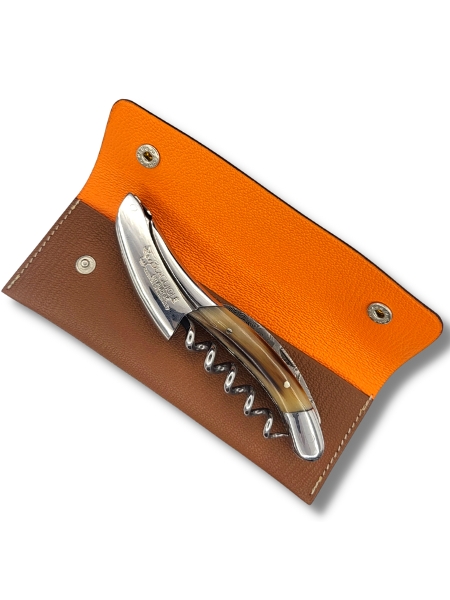
Discover our range of Laguiole en Aubrac sommelier corkscrews, essential accessories for wine lovers and oenology professionals. Each corkscrew is crafted with the same care and quality standards as the famous Laguiole en Aubrac knives.
Marquetry - Wood - Horn or Bone
Leather Sheaths
FREE LASER ENGRAVING
Choosing a personalized Laguiole en Aubrac sommelier corkscrew means adding a touch of originality to an object already known for its quality and aesthetics!

LAGUIOLE CUTLERY SETS
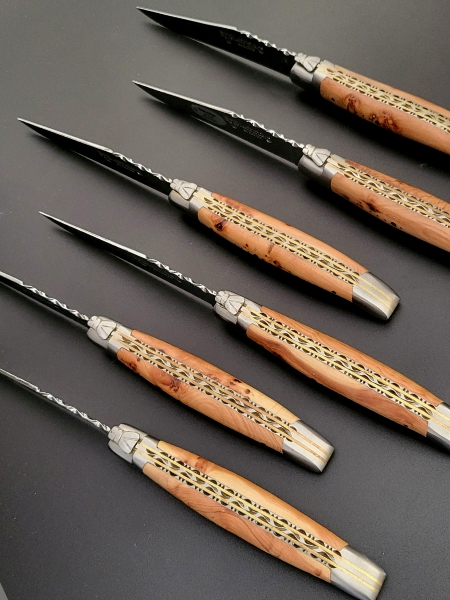
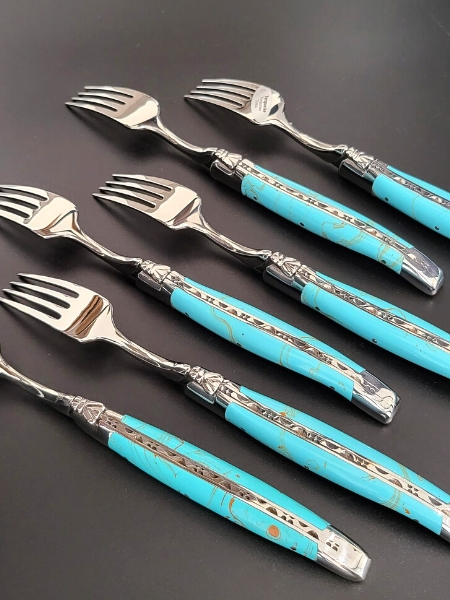
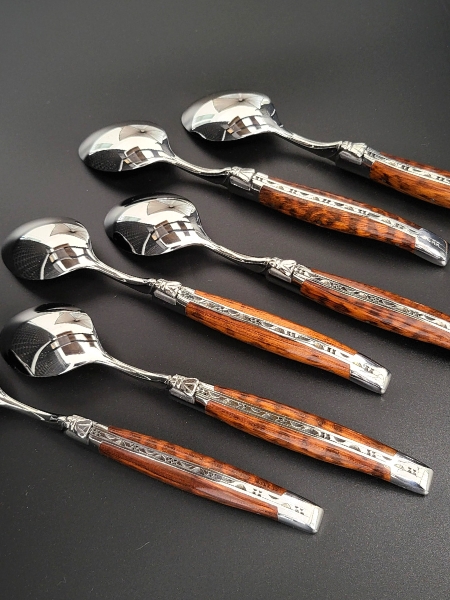
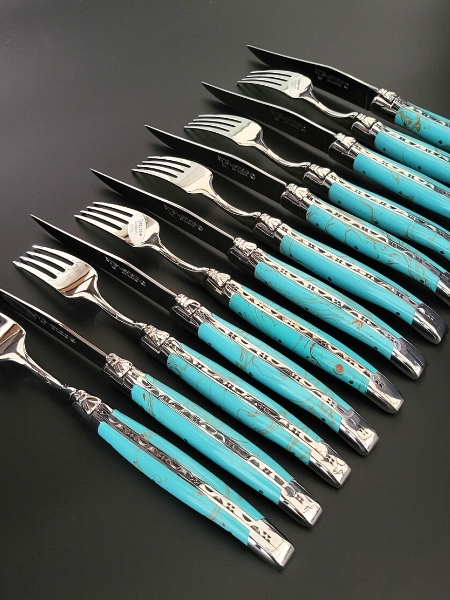
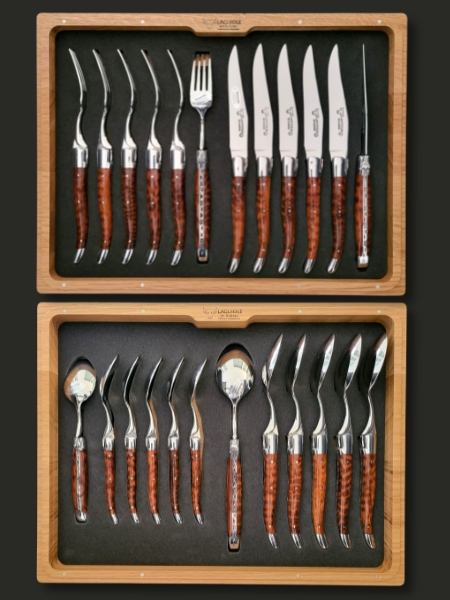
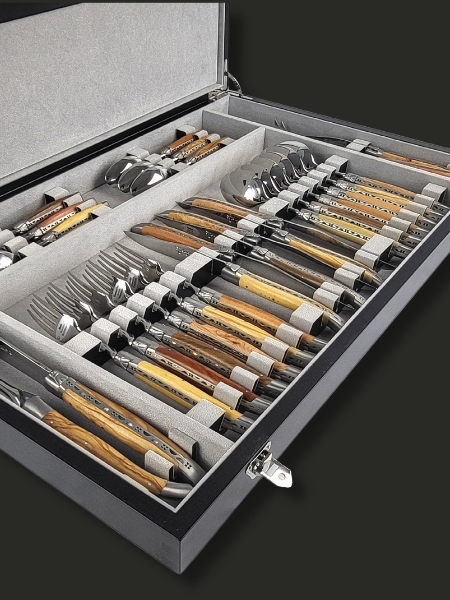
Our selection of Laguiole en Aubrac cutlery offers a range of choices from classic to modern models, featuring various colors and original handle materials. Available in sets of 2, 4, or 6, with or without forks, as well as soup and dessert spoons. Not to mention the famous table sets.
Various handle materials
Various handle materials
Various handle materials
Various handle materials
Various handle materials
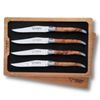
Various handle materials
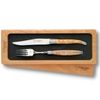
Various handle materials
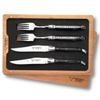
Various handle materials
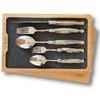
Various handle materials
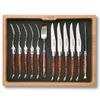
Various handle materials
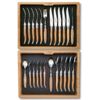
Various handle materials
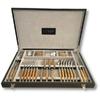
Various handle materials
Additional Knives and Sets
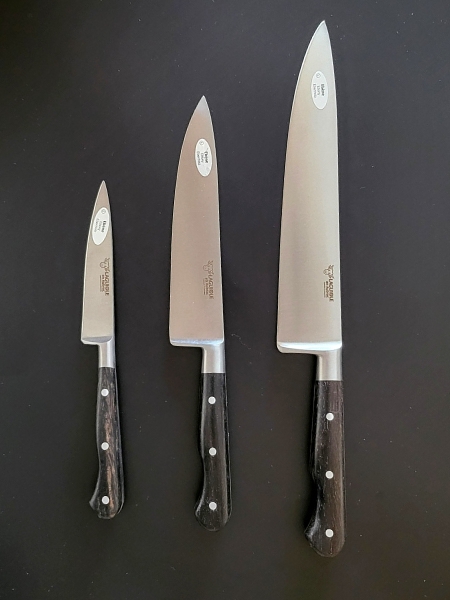
Discover the complementary cutlery range, designed to enhance your meals and offer you an unparalleled culinary experience. This refined and elegant collection includes cheese knives, oyster knives, carving sets, and many other essential accessories for a carefully set table.
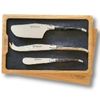
Individuals or in sets x3
Various handle materials
Various handle materials

Various handle materials
Individuals or in sets x3
Recycled seashell handles
Various handle materials
Various handle materials