
All Laguiole folding knives
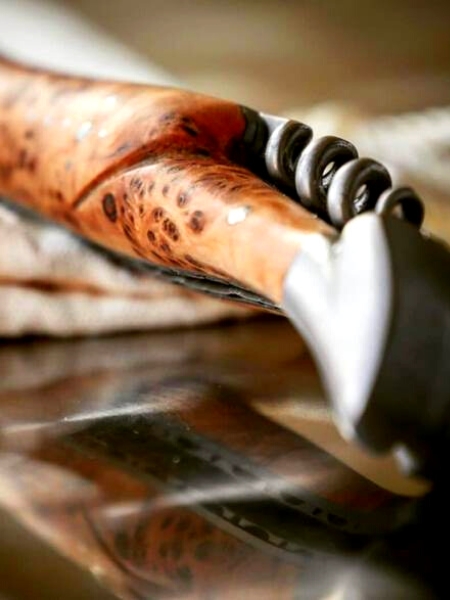
Laguiole knives with corkscrew
889€
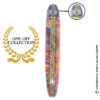
The full-handle Emerald Glyphs Laguiole is a unique knife, made entirely by hand by the most accomplished cutlers at the Laguiole en Aubrac workshop. Its handle in green, stabilised poplar burl shows a vivid, striking tone characteristic of this material. The fine veins in the burl add depth and movement, turning each side of the knife into its own unique surface. The absence of bolsters on this full-handle build puts the wood and the purity of the line at centre stage.
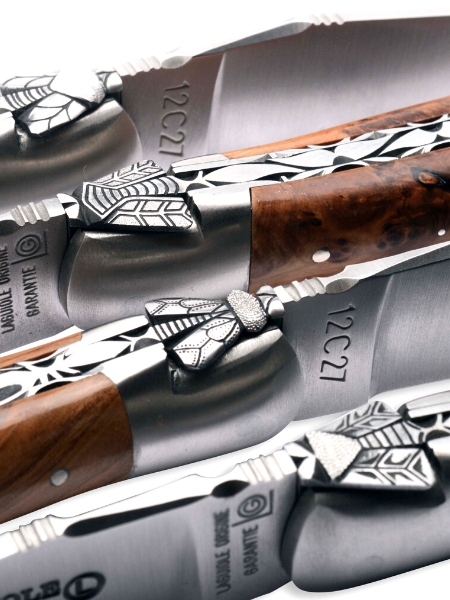
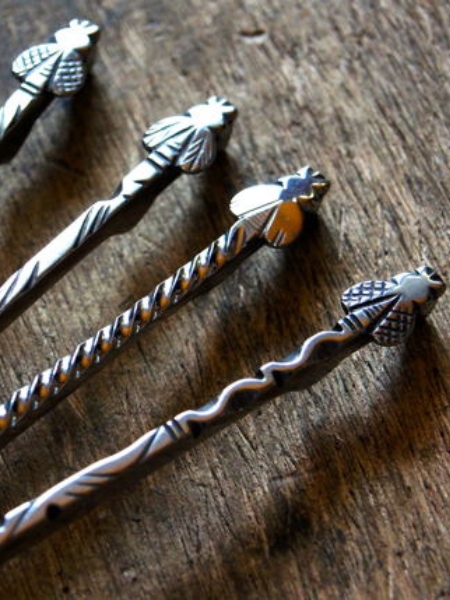
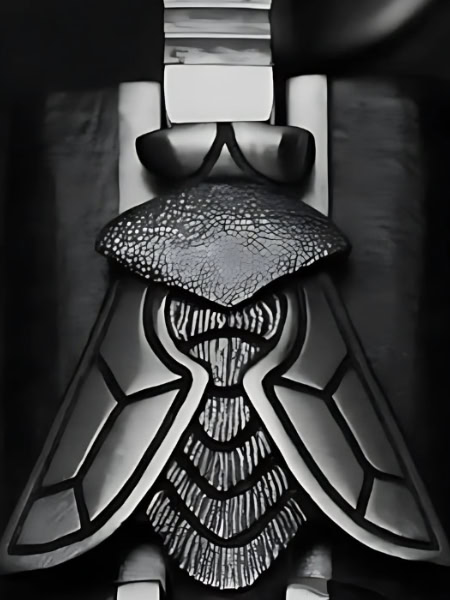
The bee here takes on a distinctly graphic interpretation: deep lines run across her body and continue along the entire length of the backspring. Between those lines, the spaces are carefully hammered from the bottom of the spring to the very top of the bee, creating a richly textured, highly controlled effect. The regularity and precision of the work gives the impression of a continuous motif, almost like a frieze of glyphs or inscribed signs.
Black liners hold the whole composition together and create a strong contrast with the bright green of the poplar burl. They emphasise both the sculpted backspring and the presence of the handle, while adding a contemporary edge to the piece.
Emerald Glyphs is designed for collectors who love Laguioles rooted in tradition but open to a more modern, graphic style of decoration. A knife with real character, crafted as much for the pleasure of the eye as for the gesture, where knife-making know-how meets a more artistic form of expression.
1 in stock


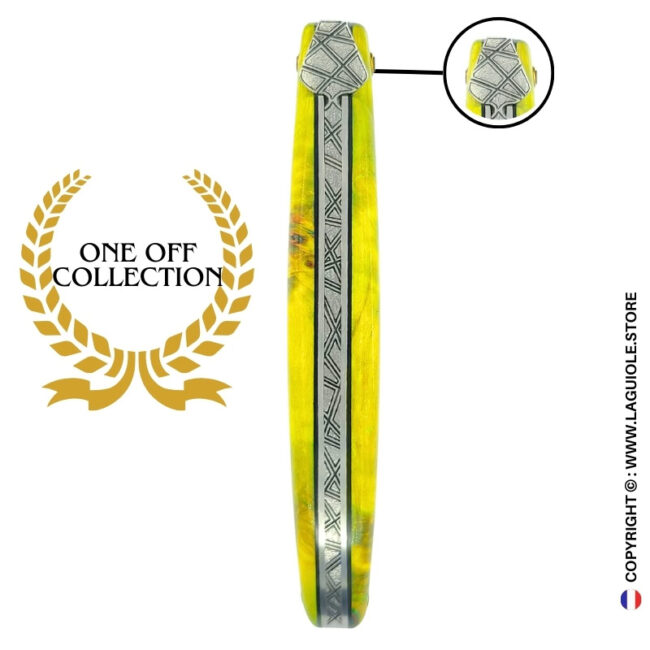
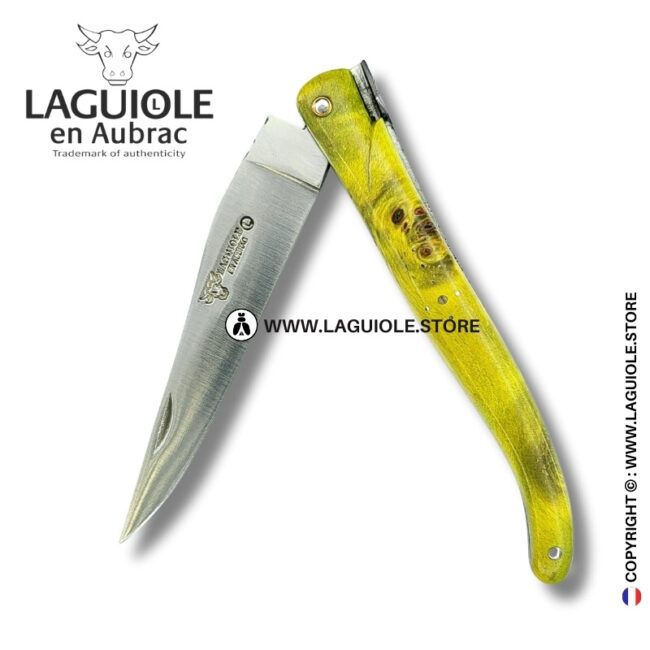
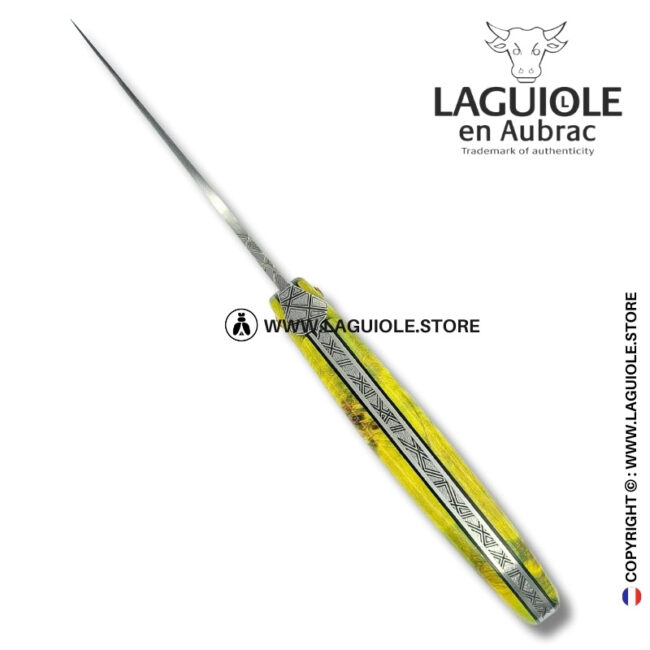
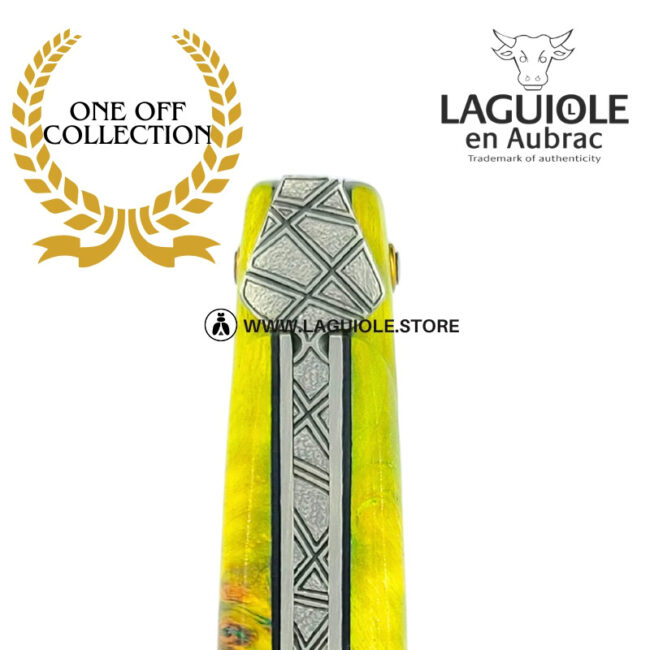
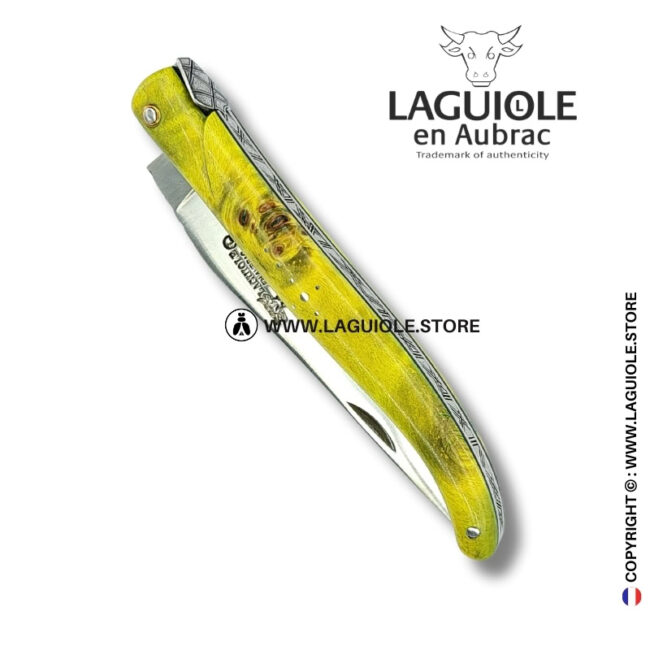
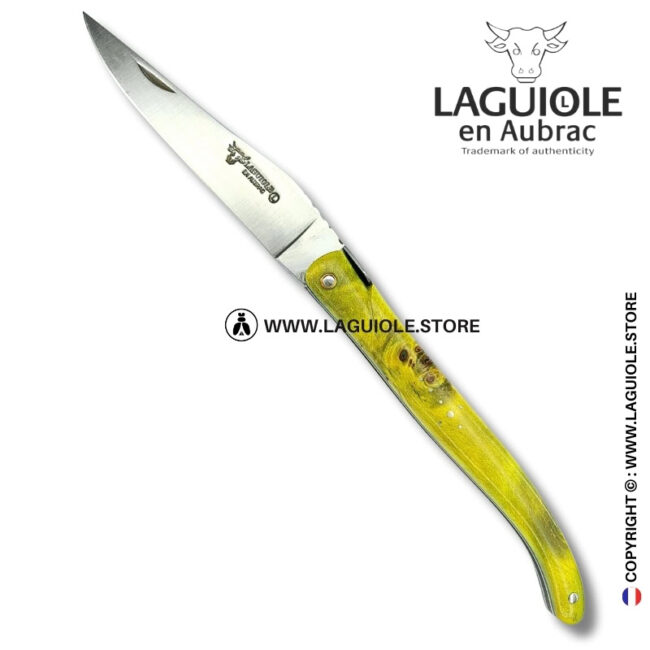
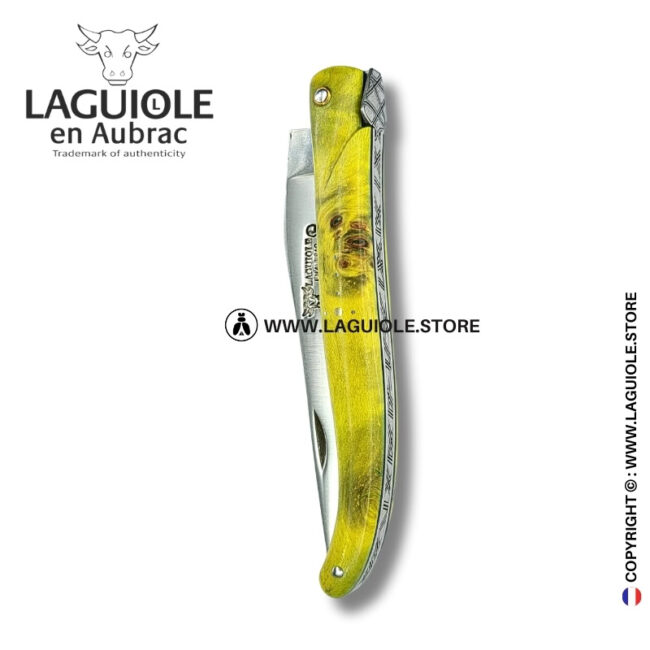
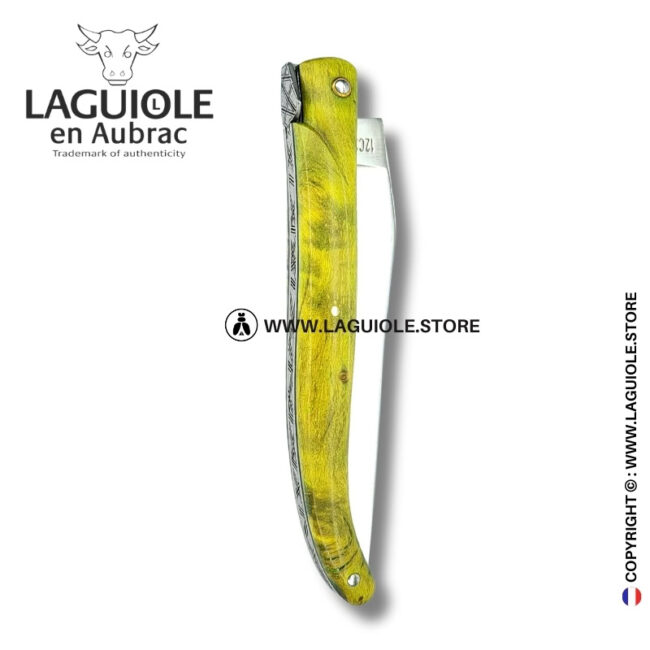
“Emerald Glyphs” looks like a line of writing carved straight into steel and wood – a fragment of a forgotten alphabet you can hold in your hand. The full handle in vivid green poplar burl almost seems to glow from within, its fine veins running like roots or leaf veins under the surface. Depending on how the light hits it, the green shifts from deep forest tones to bright, almost electric highlights.
At the top, the sculpted bee takes on a distinctly graphic look. Clean lines cut across her body and continue along the backspring, turning the usual emblem into a sign, a symbol. Between these lines, the steel is finely hammered, creating tiny textured fields that catch the light and give the spine real depth. Black liners frame the green poplar like ink around a brushstroke, underlining the contrast between the bright wood and the polished metal.
A Laguiole like a stroke of emerald calligraphy – a knife made to be read in the hand as much as it is meant to be used at the table.
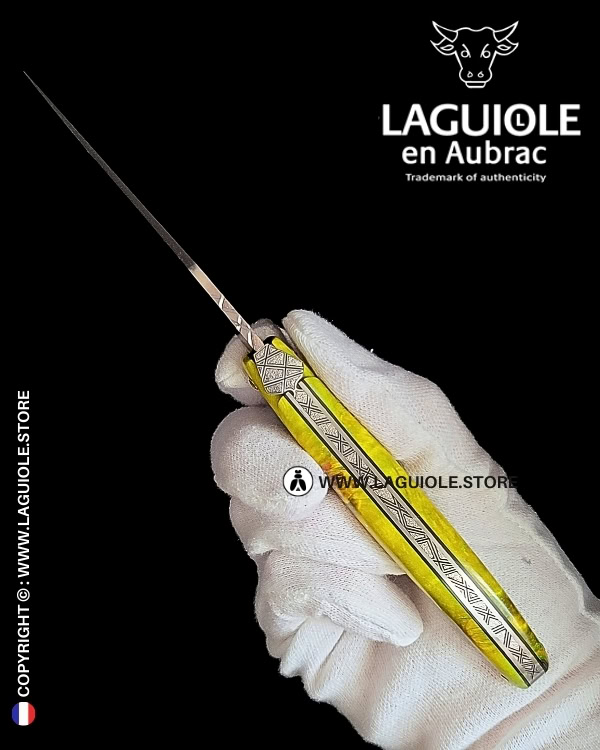
Emerald Glyphs looks like signals carved straight into matter – a fragment of a forgotten alphabet that the cutler has awakened from the metal. The full handle in green poplar burl, vivid and bright, almost seems to glow. Its colour calls to mind both semi-precious stones and young leaves lit from behind by the sun.
The bee no longer follows the classic outline. Deep lines cut across her, breaking the expected silhouette and turning her into a sign, almost a symbol. Those same lines continue along the entire length of the backspring, as if the knife were crossed by a single flowing script. Between these lines, small graphic spaces appear, finely hammered from the base of the spring all the way up to the top of the bee, creating a play of light and shadow that shifts with angle and gaze.
Black liners frame the vibrant green of the poplar like ink framing the white of a page. They heighten the graphic feel of the piece, underlining the junction between wood and steel.
Emerald Glyphs is more than a Laguiole: it’s a sign in its own right, a stroke of calligraphy resting in the palm, ready to write new stories at the table or in the pocket.
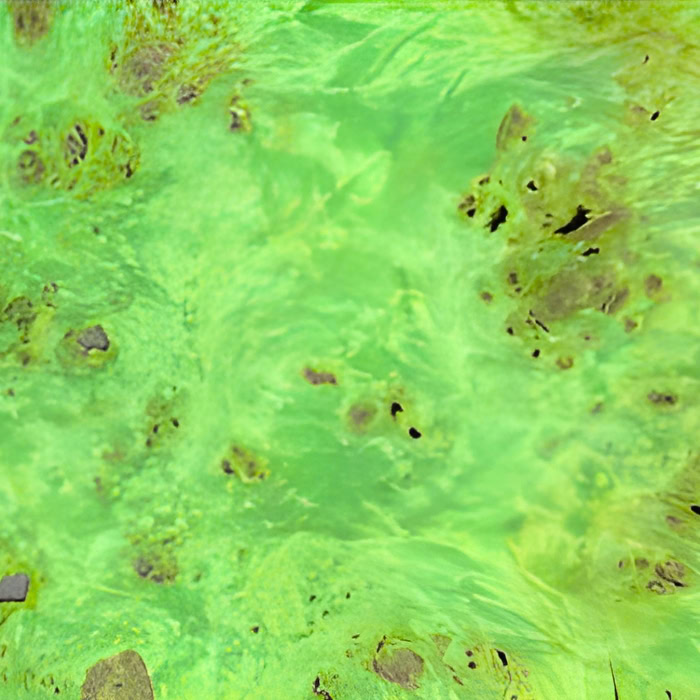
Green poplar burl is a wood with a strong, distinctive character, prized for its deep tones and organic patterns. Cut from irregular areas of the trunk or roots, this burl reveals, once worked, natural designs where the grain seems to swirl, as if the wood still carried the movement of the sap within it.
In its rich green shade, poplar takes on an almost mineral presence: dark yet nuanced, crossed by lighter or denser veins. Handles shaped from this burl can evoke shaded undergrowth, moss-covered stones or foliage seen at dusk. Each section offers its own play of depth and contrast, making every knife truly unique.
Highly appreciated by knifemakers, green poplar burl is ideal for creating handles with a strong, modern style, somewhere between restraint and mystery. It lends itself to precise shaping and beautifully enhances the clean lines of a collector’s Laguiole, adding texture, personality and a naturally understated elegance.


Leather Sheaths & Sharpener


Leather Sheaths & Sharpener


Leather Sheaths & Sharpener

Leather Sheaths & Sharpener

Leather Sheaths & Sharpener


• Made in France, in the historic area of origin.
• Engraving and shipping carried out on the day of the order.
• Deliveries to France, European Union, and internationally.
• Delivery within 48h in EU. 4 days to USA with DHL Express.
• Provided with: certificate of authenticity, 14 page manual of genuine Laguiole knives, protective case.
FREE LASER ENGRAVING
Laser engraving on the blade is an innovative technique that combines art and technology to enhance and personalize a knife. Choose from 6 fonts and 12 symbols.
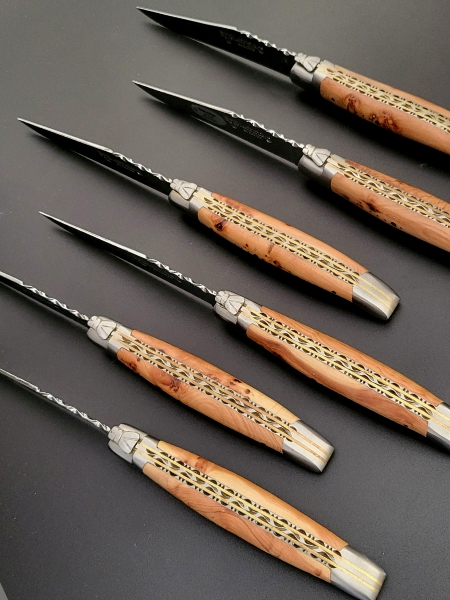
Laguiole FOLDING KNIVES
Discover our selection of Laguiole en Aubrac folding knives, a staple of French artisanal cutlery. These high-quality pocket knives, combining elegance and practicality, are the result of traditional craftsmanship and unique expertise in knife making.
All Laguiole Folding Knives
Our models without corkscrew
Stainless Steel or Brass Bolsters
Shiny or Mat finish
With or Without Corkscrew
With or Without Corkscrew
This exclusive collection from Laguiole en Aubrac showcases exquisite pocket knives that epitomize the art of fine cutlery.
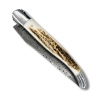
French cutlery tradition elevated by Damascus steel and masterful craftsmanship
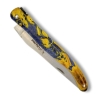
Exclusive Laguiole Knives: One-of-a-Kind Masterpieces
Where French Heritage Meets Everyday Utility
Sheaths, Box & Belt Pouches
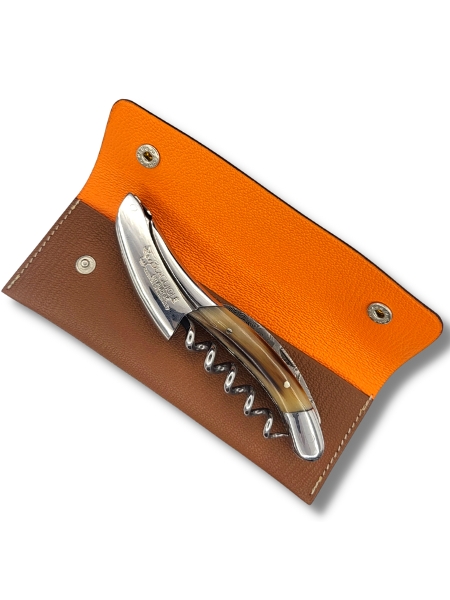
LAGUIOLE CORKSCREWS
Discover our range of Laguiole en Aubrac sommelier corkscrews, essential accessories for wine lovers and oenology professionals. Each corkscrew is crafted with the same care and quality standards as the famous Laguiole en Aubrac knives.
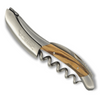
Marquetry - Wood - Horn or Bone
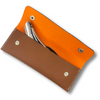
Leather Sheaths
FREE LASER ENGRAVING
Choosing a personalized Laguiole en Aubrac sommelier corkscrew means adding a touch of originality to an object already known for its quality and aesthetics!
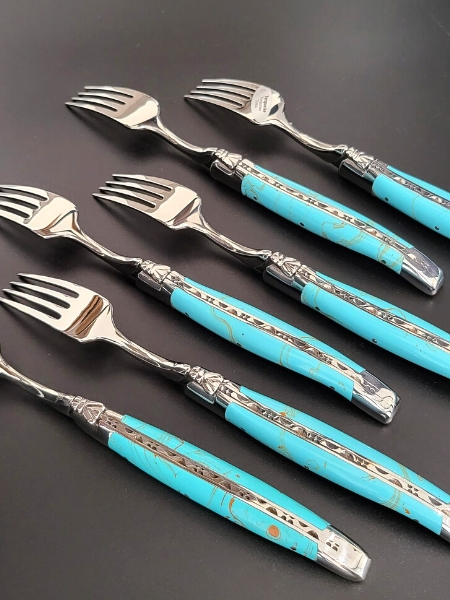
LAGUIOLE CUTLERY SETS
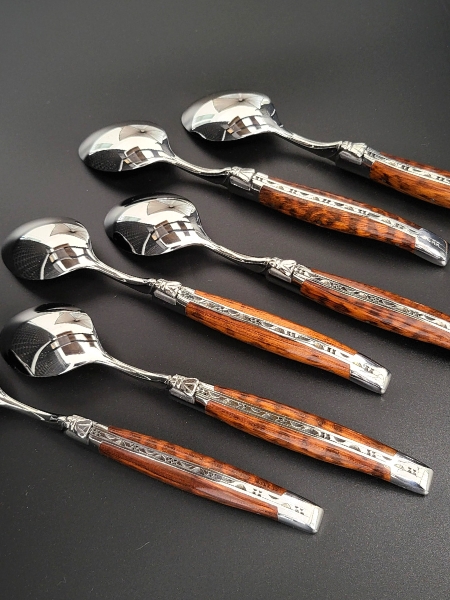
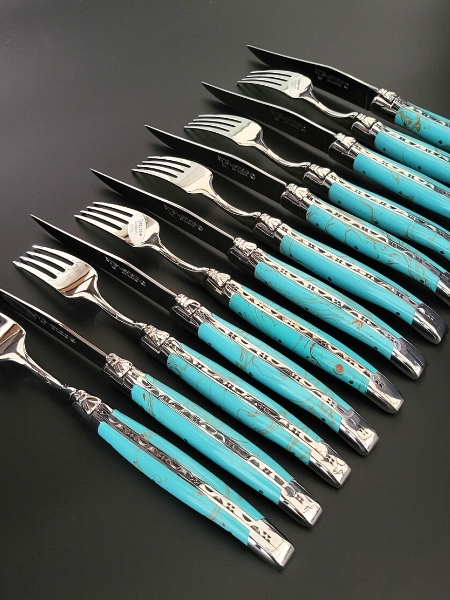
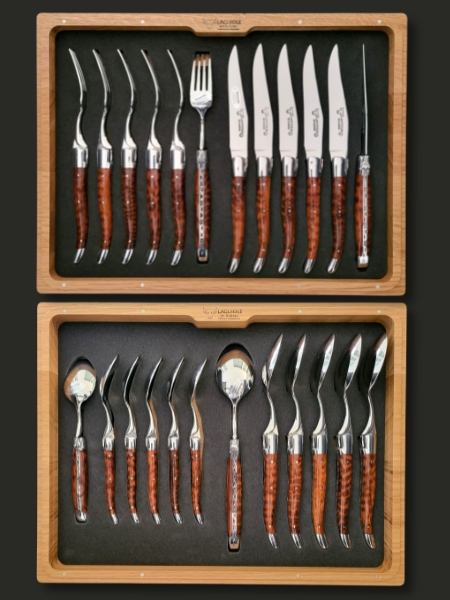
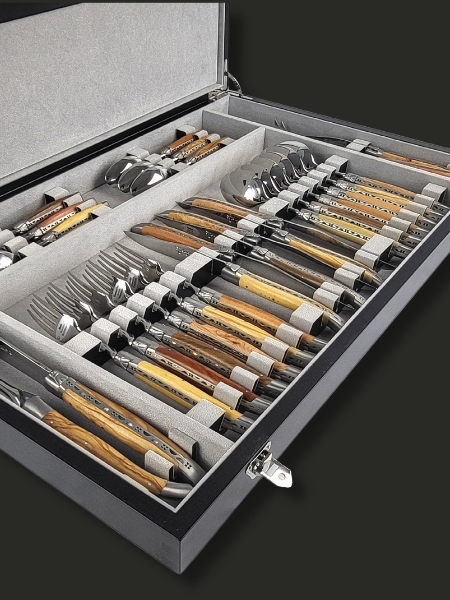
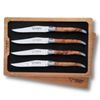
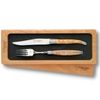
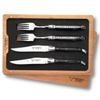
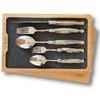
Our selection of Laguiole en Aubrac cutlery offers a range of choices from classic to modern models, featuring various colors and original handle materials. Available in sets of 2, 4, or 6, with or without forks, as well as soup and dessert spoons. Not to mention the famous table sets.
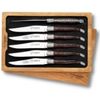
Various handle materials
Various handle materials
Various handle materials
Various handle materials
Various handle materials
Various handle materials
Various handle materials
Various handle materials
Various handle materials
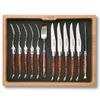
Various handle materials
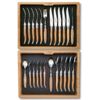
Various handle materials
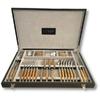
Various handle materials
Additional Knives and Sets
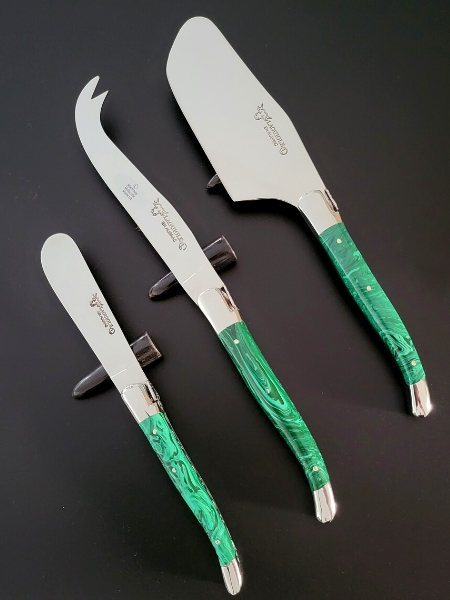
Discover the complementary cutlery range, designed to enhance your meals and offer you an unparalleled culinary experience. This refined and elegant collection includes cheese knives, oyster knives, carving sets, and many other essential accessories for a carefully set table.
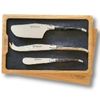
Individuals or in sets x3
Various handle materials
Various handle materials

Various handle materials
Individuals or in sets x3
Recycled seashell handles
Various handle materials
Various handle materials