Handcrafted in Aveyron, the historic home of the Laguiole knife
Capucin Knife with Full Abalone Handle – Chiseled Spring
525€
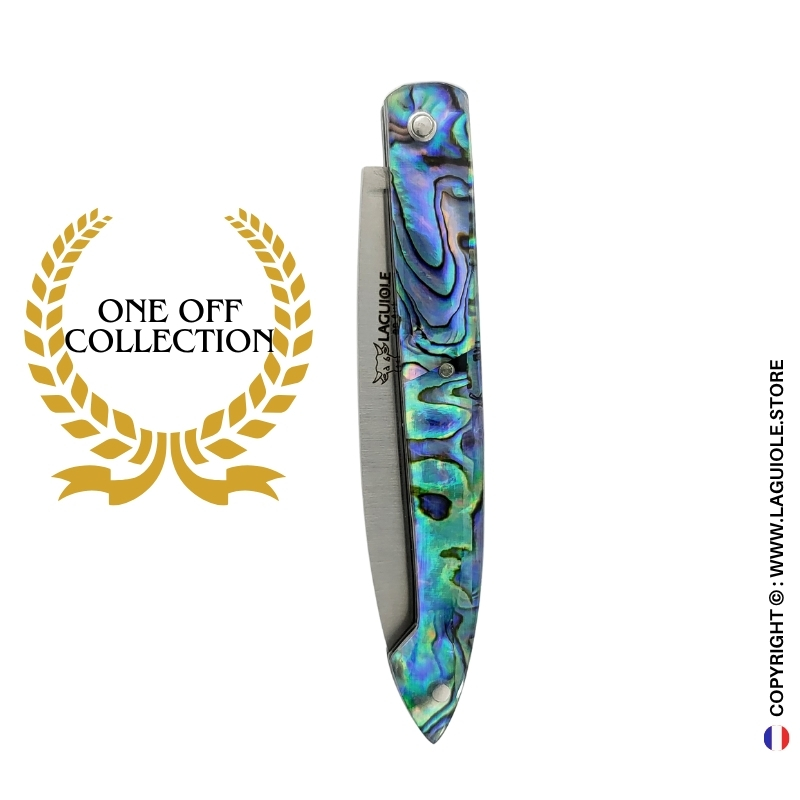
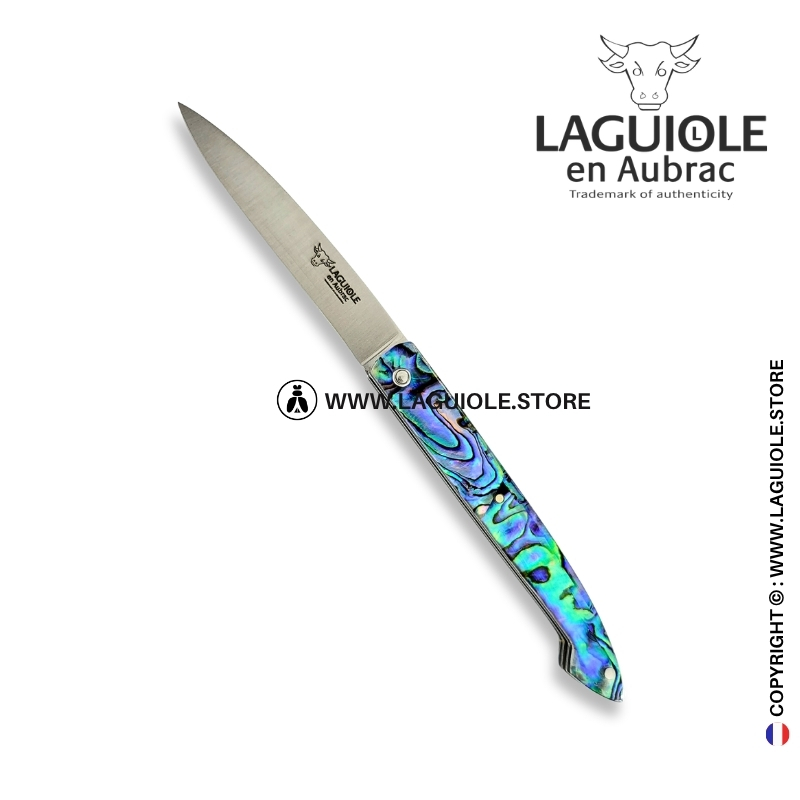
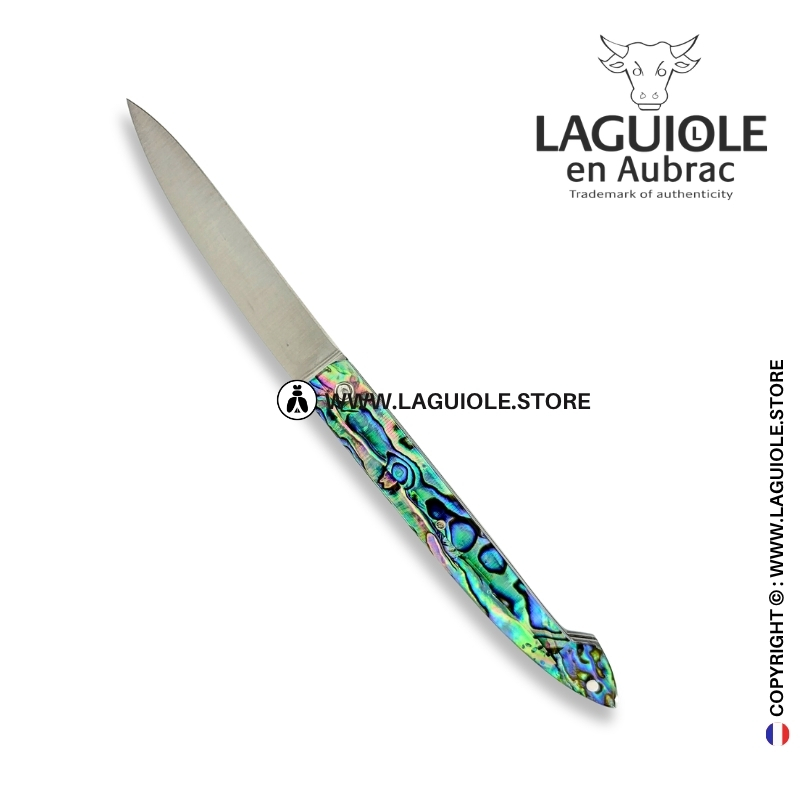
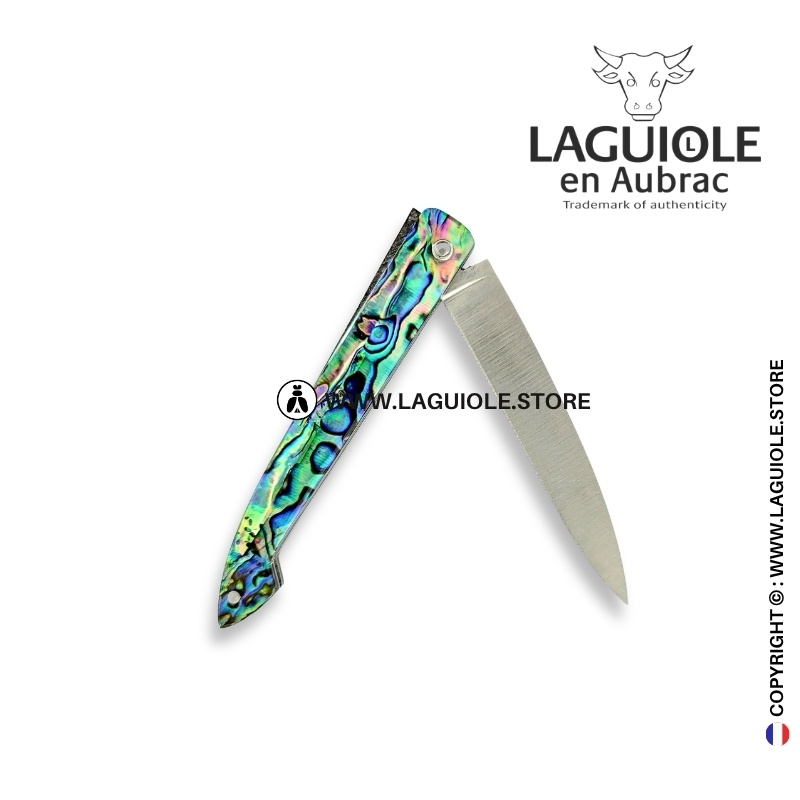
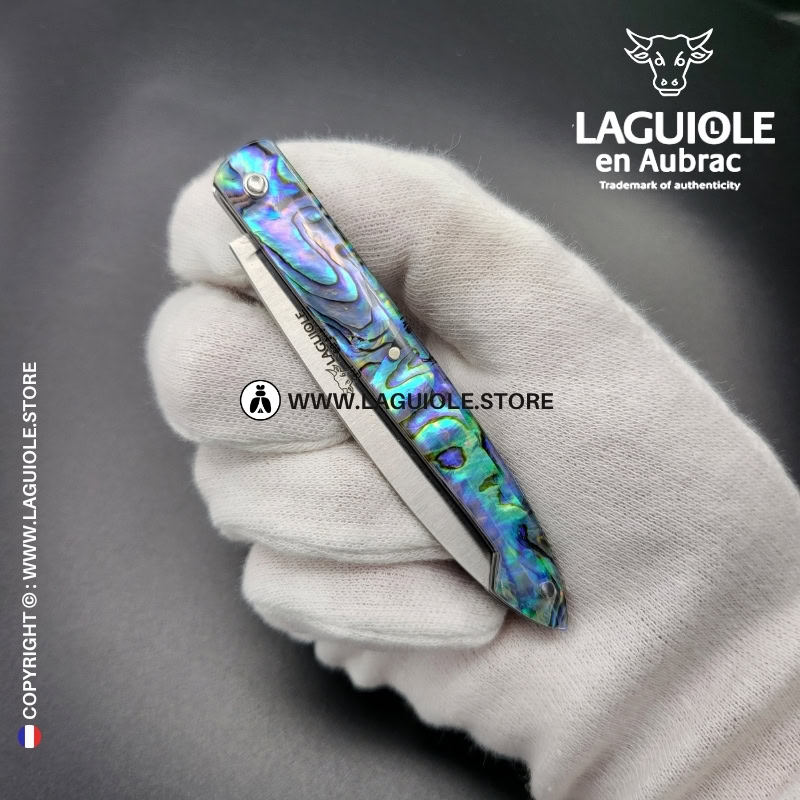
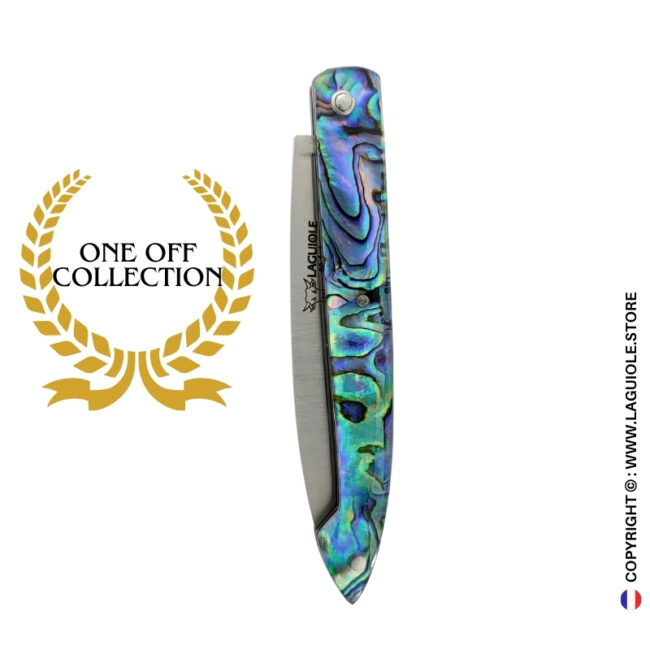
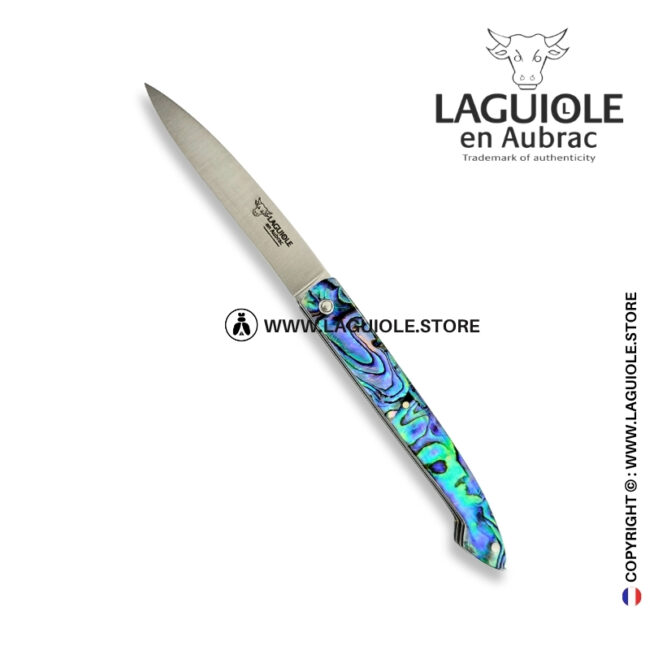
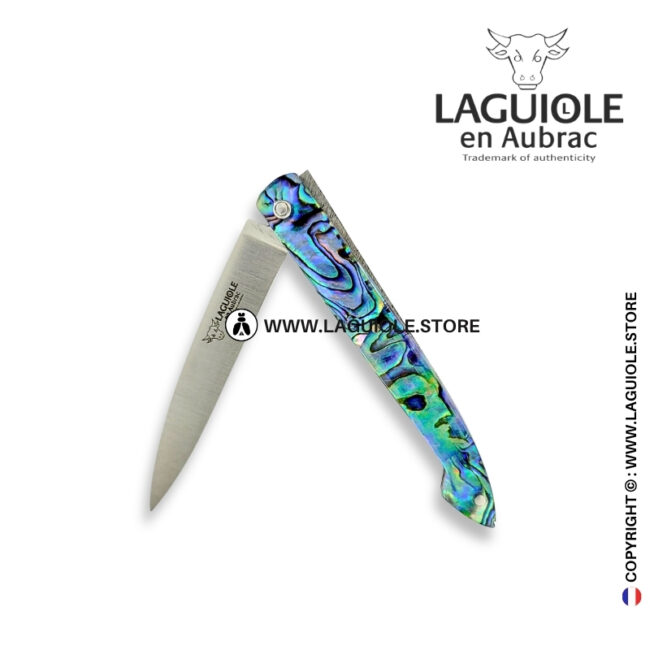
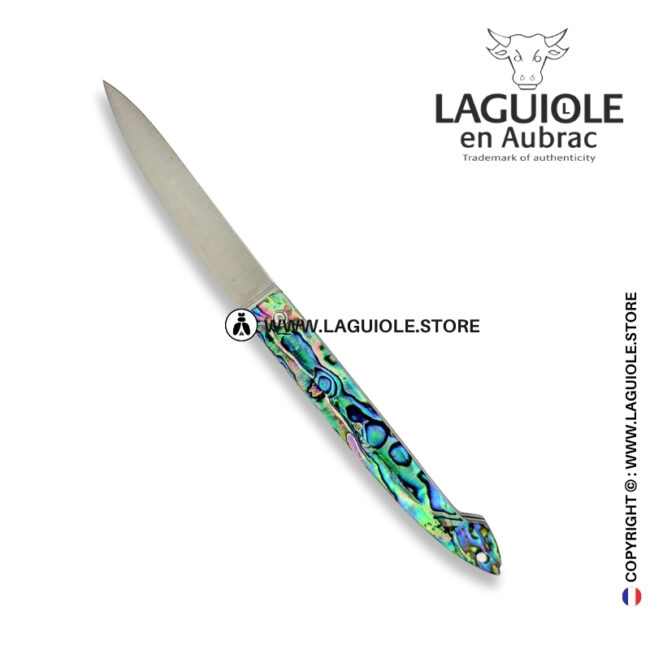
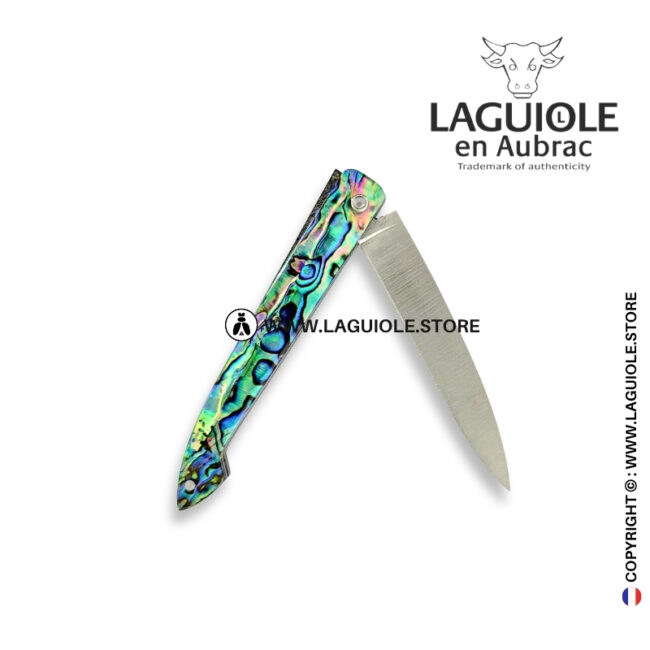
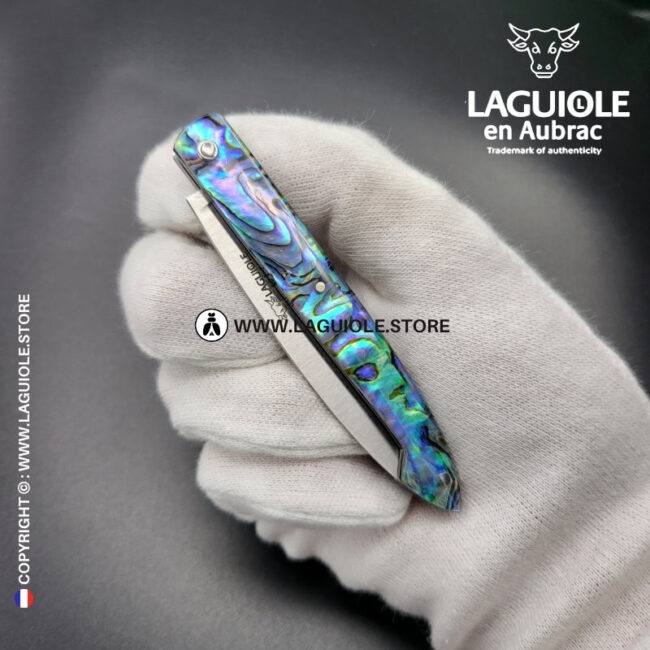
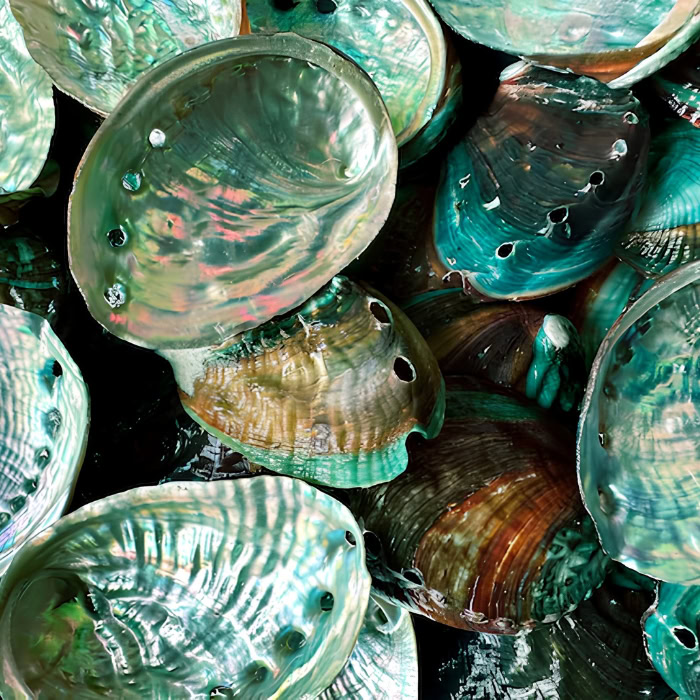
There will never be another Capucin like this one. Laguiole en Aubrac cutlers of the highest caliber made it by hand, every step of the way. Its 3.9″ (10 cm) full handle is clad in abalone, the most iridescent shell the ocean produces: swirls of lagoon blue, green and mauve wind across it, ringed by the dark lines the shell draws on its own, and the two sides of the handle show two different seascapes. A thin coat of clear acrylic protects this precious material and still lets the light sink into its depths, the way sunlight plays below the surface of the sea.
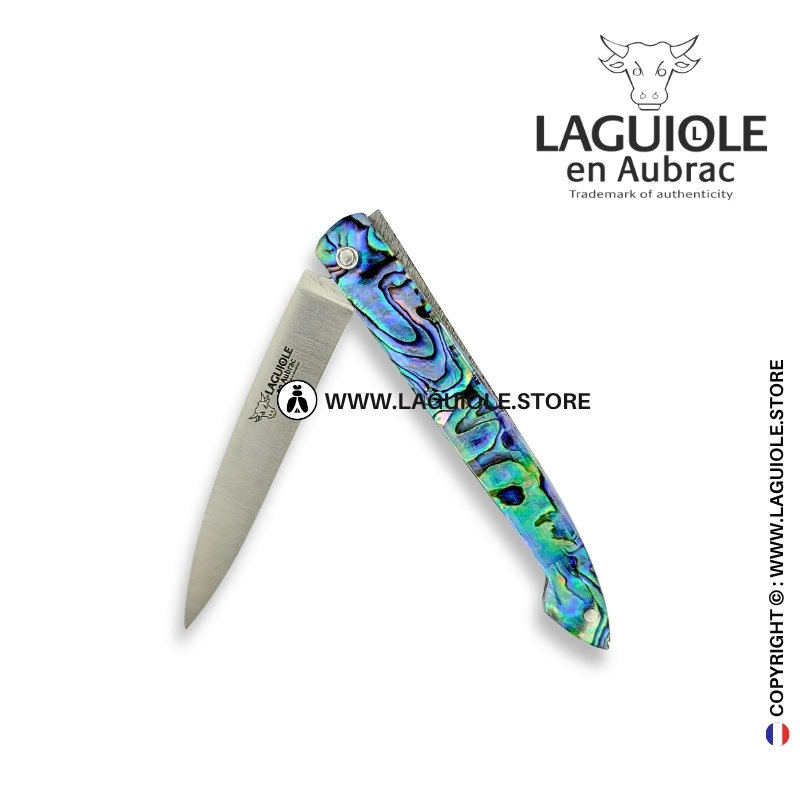
Its silhouette is what makes a Capucin. The handle is slim, without a bolster, and narrows to a point at the heel; seen from the side, that tip outlines the face of a monk tucked inside a deep hood, and it gave the knife its name centuries ago. People recognize a Laguiole by its bee and a Capucin by that point, a signature of pure shape that experienced eyes spot right away, even before the blade is open.
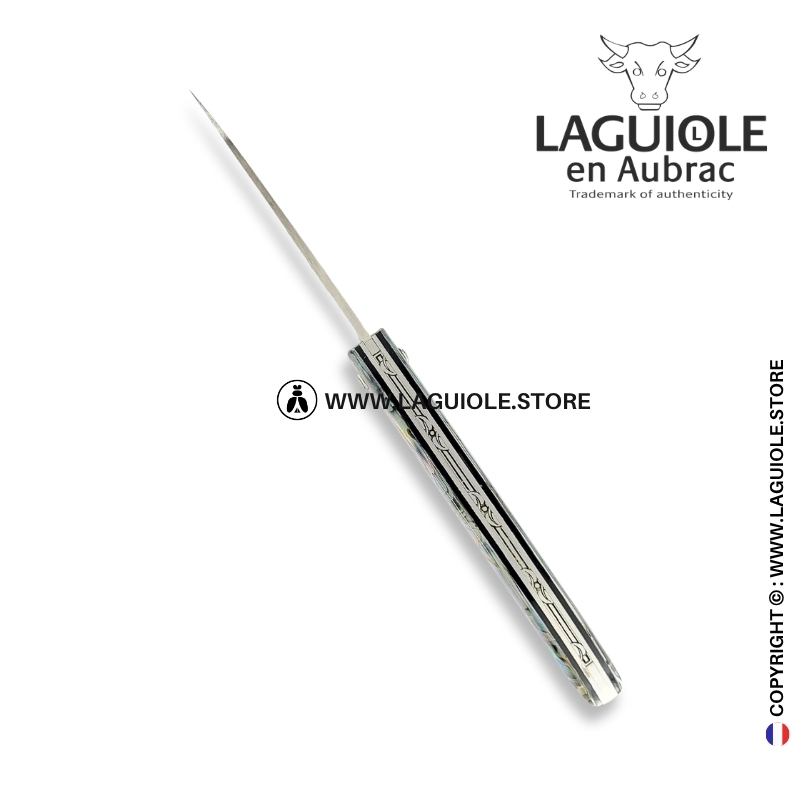
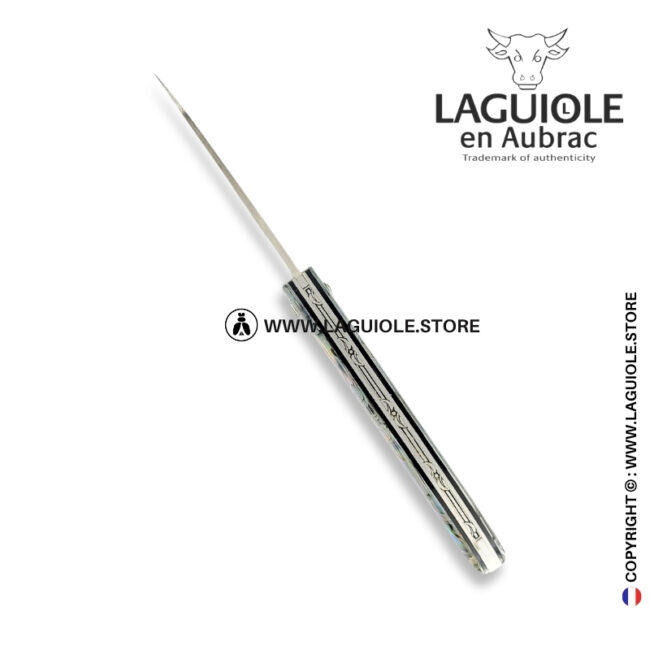
A fine chiseled decoration runs along the spring of this piece: crescents and volutes repeating in even segments from end to end, set between two dark lines that separate them from the shell. The pattern is discreet and only shows when the knife is turned over. It was worked with a file, with the kind of patience that rewards an attentive eye, true to a model that has always chosen subtlety over show. When opened, the blade of 12C27 stainless steel settles into a forced notch that keeps it firmly open, for safe, confident use day after day.
This Capucin is for anyone who loves old knife designs revisited and rare materials. It sets the most iridescent of shells on one of the oldest knife profiles in France, with a chiseled spring, a forced notch and a build carried out entirely by hand. Unique in the world, light and slim, it slides into a pocket, and every time it comes back out, someone wants to know more about it.