
All Laguiole folding knives
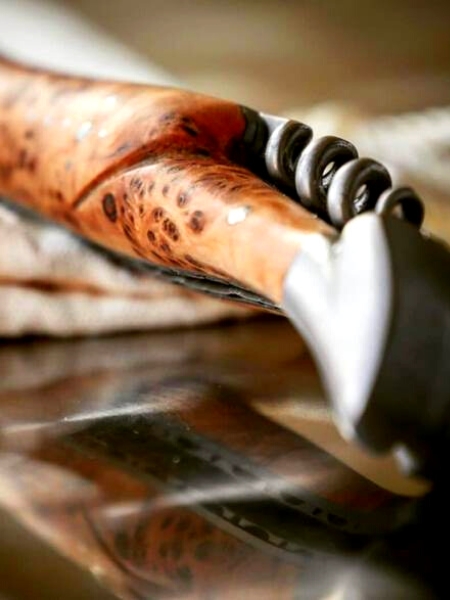
Laguiole knives with corkscrew
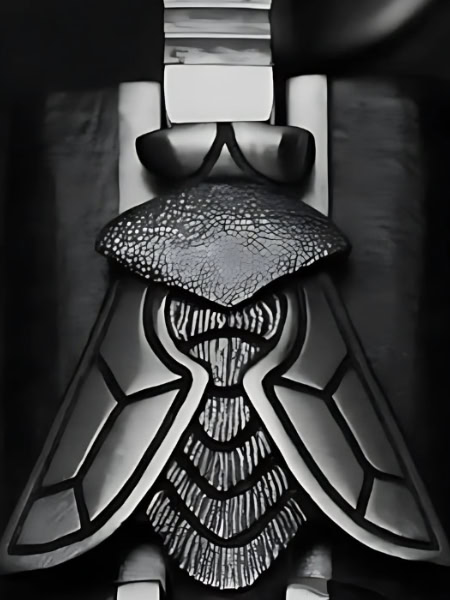

First, let’s clarify this question!
1 - Fly or Bee: The Mysterious Ornament 2 - Forged or Welded Bee? 3 - Chiseling and Guilloche on KnivesThe world of Laguiole knives is fascinating, as craftsmanship and history come together to create exceptional works of art.
Here, we will explore three complementary aspects that illustrate the richness and complexity of these iconic knives. First, we will discuss the fly versus bee debate, a characteristic ornamental element of Laguiole knives, whose origin and meaning raise many questions.
Next, we will examine the difference between a forged bee and a welded bee, two manufacturing methods that influence the quality and durability of these precious knives.
Finally, we will delve into the art of chiseling and guilloche, two artistic techniques that demonstrate the skill and passion of the artisans who create these masterpieces. Get ready to discover the secrets and subtleties that make Laguiole knives as unique as they are unforgettable.

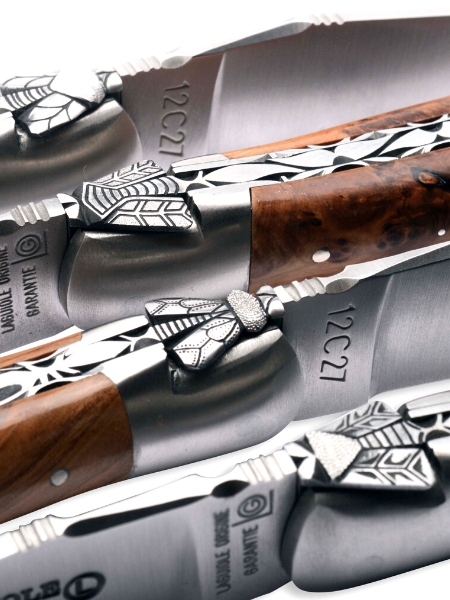
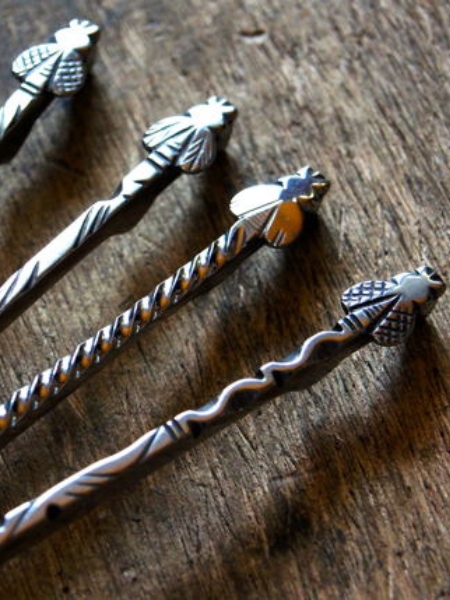
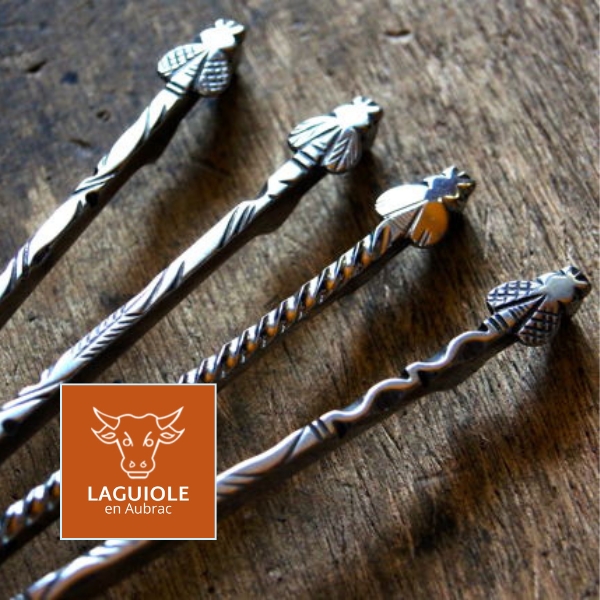
The ornament, typically in the shape of a bee, is a traditional feature of Laguiole knives. However, it is sometimes called a “fly” due to its shape and size, which can vary from one knife to another and from one artisan to another. The exact origin of this ornament is uncertain, but it undeniably adds a touch of charm and distinction to the knife.
In addition to being a decorative element, the term “fly” also has a technical meaning in the context of Laguiole knives. The fly refers to the upper part of the spring, visible when the knife is open. It is on this part that the ornament is usually applied. The fly also serves to lock the blade in the open position, ensuring safety when using the knife.
Yes, there is a legend linking the bee on Laguiole knives to Napoleon Bonaparte. According to this legend, after the Battle of Mount Tabor in 1799, Napoleon granted the inhabitants of the Laguiole region the right to use the imperial bee as a symbol on their knives in recognition of their bravery in battle. However, this story has not been conclusively proven and remains a legend. Nonetheless, it adds an interesting dimension to the history and symbolism of the bee on Laguiole knives.
Whether it is a fly or a bee, the ornament on Laguiole knives is a symbol of craftsmanship and attention to detail in the making of these works of art. Beyond its aesthetic aspect, the fly also plays an essential technical role in ensuring the safety and durability of these exceptional knives.
So, whether you choose to see a fly or a bee, the ornament on the Laguiole knife embodies both the beauty and functionality of this unique cultural heritage.

The difference between a forged bee and a welded bee on Laguiole folding knives lies primarily in the manufacturing method and the quality of the final product.
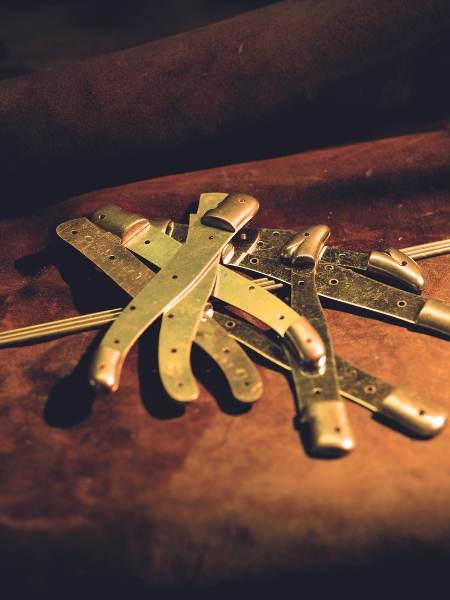
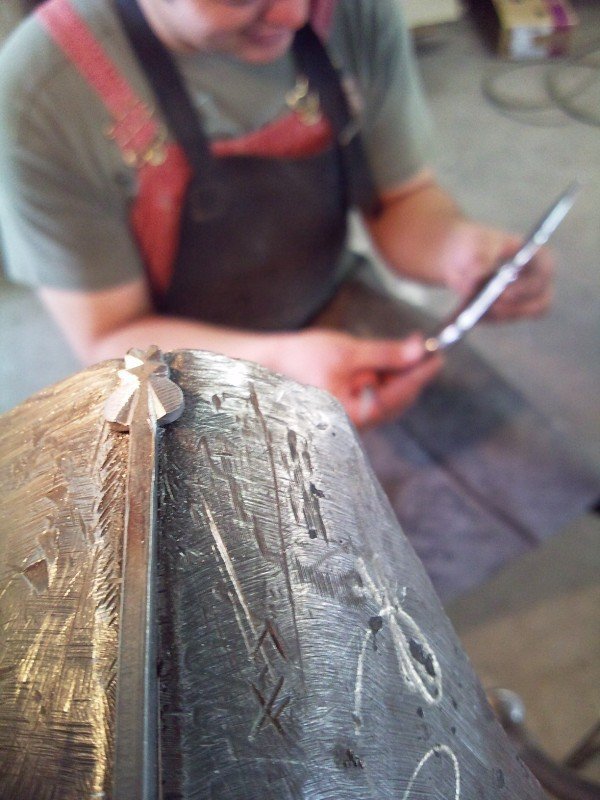
Forged Bee: In the case of a forged bee, the bee and the spring are made from a single piece of metal. This means that the bee is forged at the same time as the spring, and the two pieces are one. This method is generally considered to be of higher quality, as it provides greater strength and durability to the entire knife. Traditional and high-end Laguiole knives are often made with a forged bee.
Welded Bee: In the case of a welded bee, the bee is manufactured separately from the spring and is then welded onto the latter. Although this method may be faster and less expensive, it is generally considered less durable and of lower quality compared to the forging method. Laguiole en Aubrac pressed horn knives are made with a welded bee.
In summary, the difference between a forged bee and a welded bee on Laguiole folding knives lies in the manufacturing method and the quality of the product. Knives with a forged bee are generally more durable and of better quality, while knives with a welded bee may be less expensive but also less resistant.

Chiseling and guilloche are two artistic techniques used to decorate and embellish metal objects, including knives. Although they share some similarities, these techniques have significant differences in their methods and results.
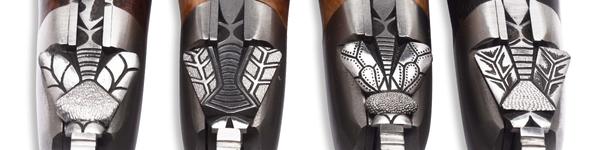
Chiseling: Chiseling is an engraving technique that involves removing material to create raised patterns. The artist, called a chiseler, uses a chisel (a small metal tool with a cutting edge) and a hammer to remove metal and sculpt shapes and patterns in relief on the object’s surface. Chiseling is often used to decorate jewelry, weapons, silverware pieces, and other metal objects. This technique allows for the creation of three-dimensional designs with great depth and distinct texture.
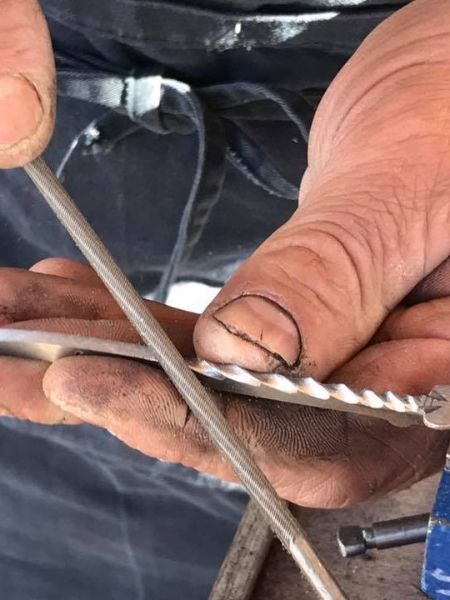
Guilloche: Guilloche is an engraving technique that involves creating fine, repetitive patterns on the surface of a metal object. Unlike chiseling, guilloche creates surface patterns rather than raised patterns. Guillocheurs use specific tools, such as chisels and files, to incise lines and complex geometric shapes on metal surfaces. Guilloche is often used to decorate knives, watches, jewelry, and other valuable objects. This technique produces delicate and refined patterns that add elegance and charm to the object.

The resurgence of Laguiole knife production in its original region dates back to the 1980s. Laguiole en Aubrac established a forge in the village of Montézic. This initiative revitalized local craftsmanship and perpetuated the tradition of making exceptional knives.

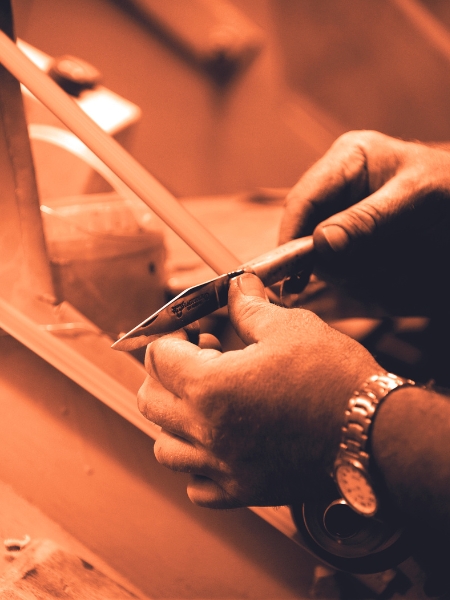
Producing artisanal Laguiole knives requires numerous steps and specific expertise. Each knife is crafted by a single artisan, who creates chiselling on a forged spring and carries out meticulous visual adjustments.

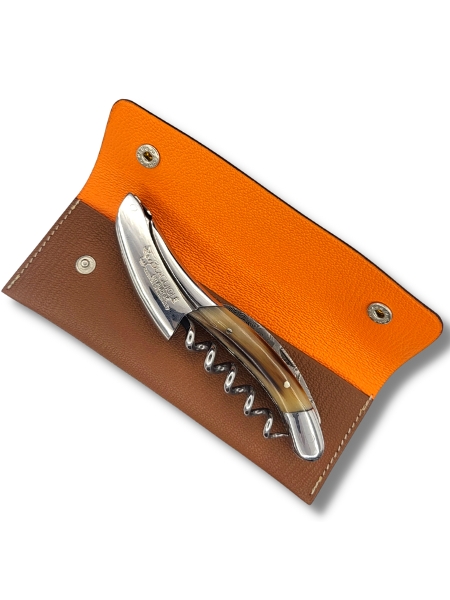
Leather cases and sheaths for Laguiole en Aubrac knives and sommeliers wonderfully combine protection, style, and practicality. They are an essential accessory for lovers of beautiful objects and demanding professionals.

No lead or cadmium is used in metal components. They are hazardous to health and can never be found on knife blades or other accessories.
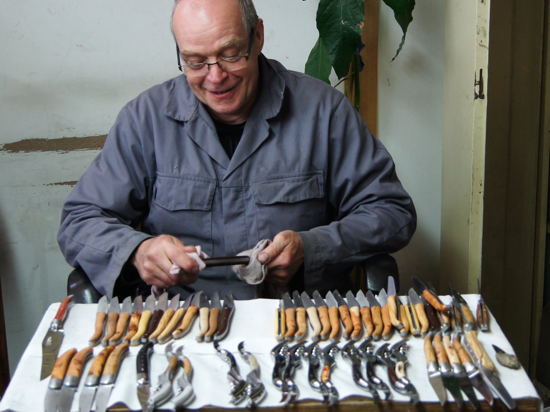
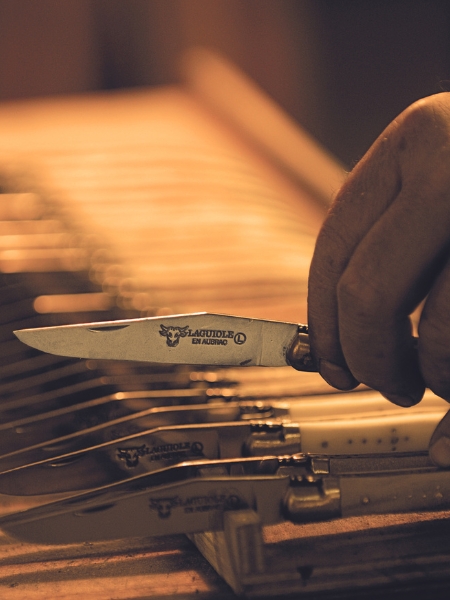
Under the workshop manager’s supervision, Laguiole en Aubrac not only has a woodworking workshop and a forge but also its own assembly workshop. In this workshop, each knife is assembled by the same artisan knifemaker, ensuring constant attention to detail and impeccable quality.

Damascus is the result of forging together several different metals. It’s an art that can be difficult to master due to the many possible combinations of metals and varying patterns.


• Made in France, in the historic area of origin.
• Engraving and shipping carried out on the day of the order.
• Deliveries to France, European Union, and internationally.
• Delivery within 48h in EU. 4 days to USA with DHL Express.
• Provided with: certificate of authenticity, 14 page manual of genuine Laguiole knives, protective case.
FREE LASER ENGRAVING
Laser engraving on the blade is an innovative technique that combines art and technology to enhance and personalize a knife. Choose from 6 fonts and 12 symbols.

Laguiole FOLDING KNIVES
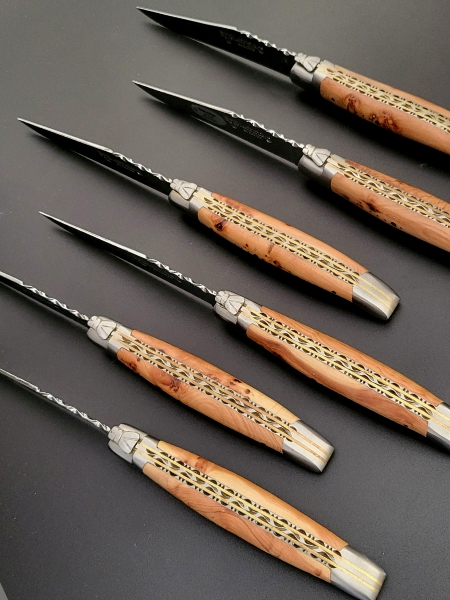
Discover our selection of Laguiole en Aubrac folding knives, a staple of French artisanal cutlery. These high-quality pocket knives, combining elegance and practicality, are the result of traditional craftsmanship and unique expertise in knife making.
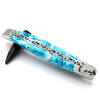
All Laguiole Folding Knives
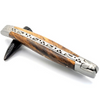
Our models without corkscrew
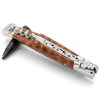
Stainless Steel or Brass Bolsters
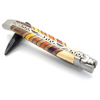
Shiny or Mat finish
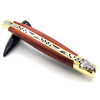
With or Without Corkscrew
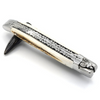
With or Without Corkscrew
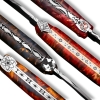
This exclusive collection from Laguiole en Aubrac showcases exquisite pocket knives that epitomize the art of fine cutlery.
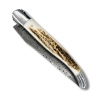
French cutlery tradition elevated by Damascus steel and masterful craftsmanship
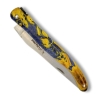
Exclusive Laguiole Knives: One-of-a-Kind Masterpieces
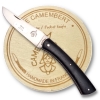
Where French Heritage Meets Everyday Utility
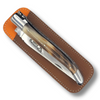
Sheaths, Box & Belt Pouches
LAGUIOLE CORKSCREWS
Discover our range of Laguiole en Aubrac sommelier corkscrews, essential accessories for wine lovers and oenology professionals. Each corkscrew is crafted with the same care and quality standards as the famous Laguiole en Aubrac knives.
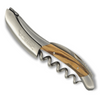
Marquetry - Wood - Horn or Bone
Leather Sheaths
FREE LASER ENGRAVING
Choosing a personalized Laguiole en Aubrac sommelier corkscrew means adding a touch of originality to an object already known for its quality and aesthetics!

LAGUIOLE CUTLERY SETS
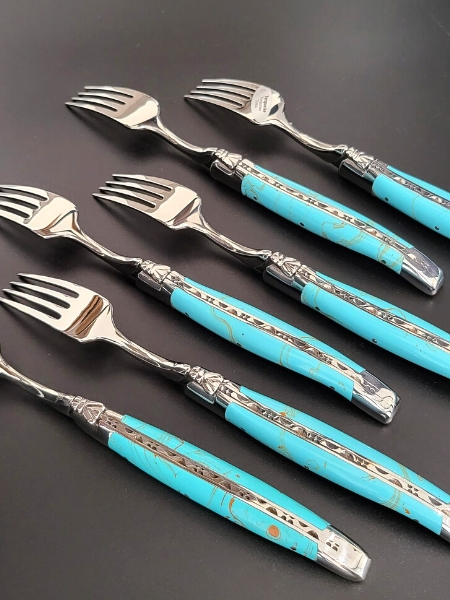
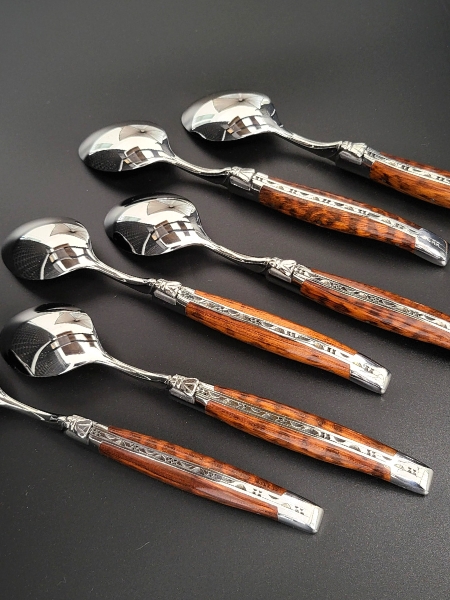
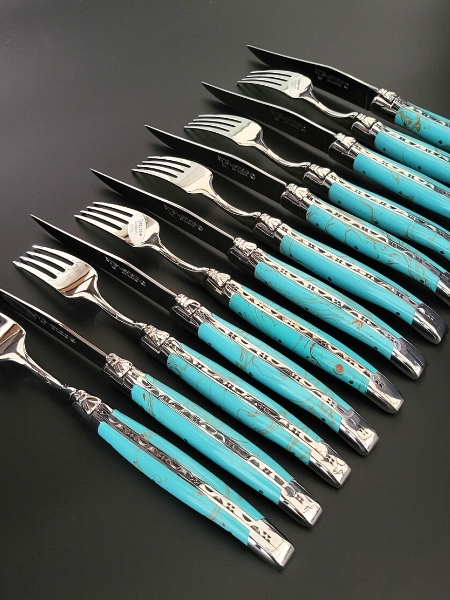
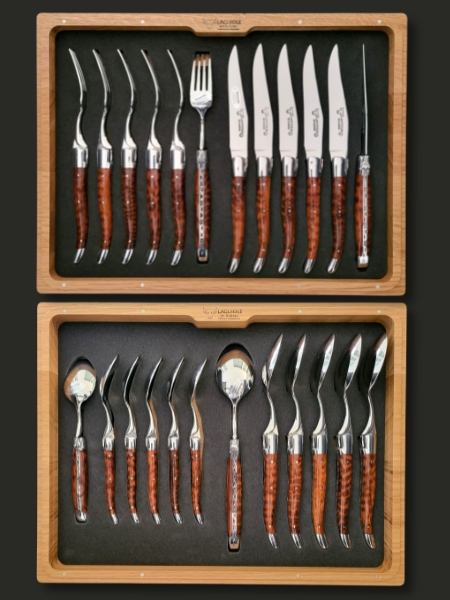
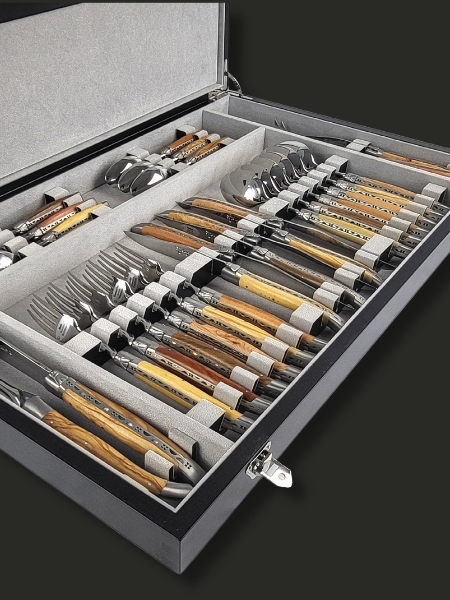
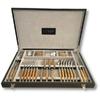
Our selection of Laguiole en Aubrac cutlery offers a range of choices from classic to modern models, featuring various colors and original handle materials. Available in sets of 2, 4, or 6, with or without forks, as well as soup and dessert spoons. Not to mention the famous table sets.
Various handle materials
Various handle materials
Various handle materials
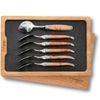
Various handle materials
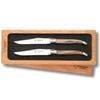
Various handle materials
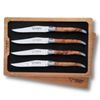
Various handle materials
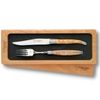
Various handle materials
Various handle materials
Various handle materials
Various handle materials
Various handle materials
Various handle materials
Additional Knives and Sets
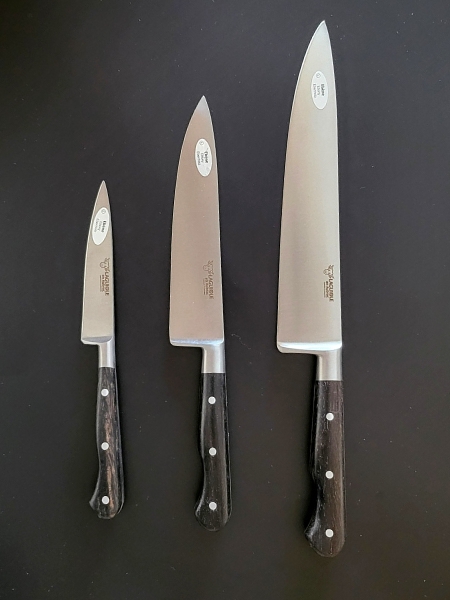
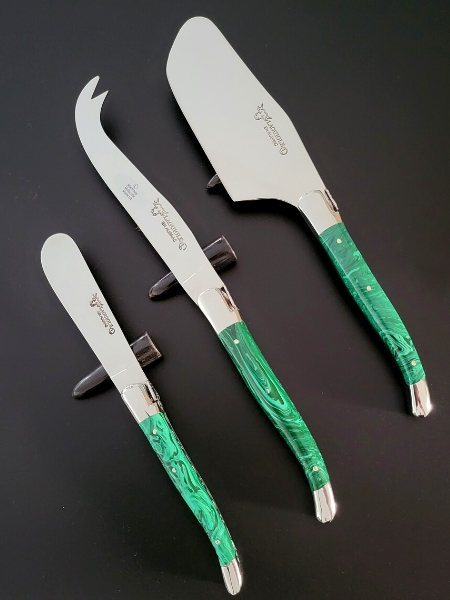
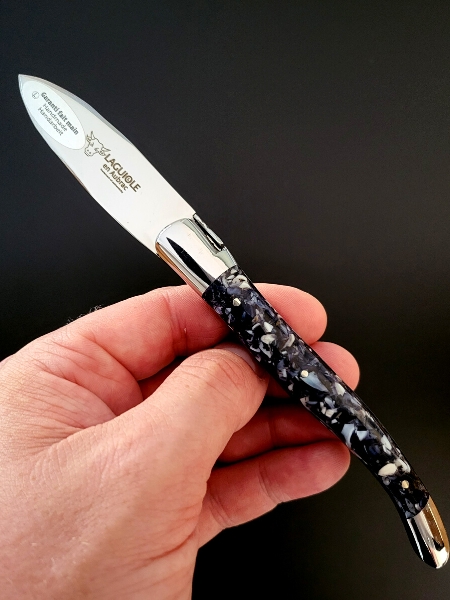
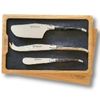
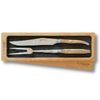
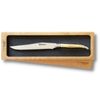
Discover the complementary cutlery range, designed to enhance your meals and offer you an unparalleled culinary experience. This refined and elegant collection includes cheese knives, oyster knives, carving sets, and many other essential accessories for a carefully set table.
Individuals or in sets x3
Various handle materials
Various handle materials

Various handle materials
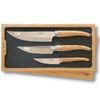
Individuals or in sets x3
Recycled seashell handles
Various handle materials
Various handle materials